
Cedarwood Essential Oil Comparison Guide:
Understanding the Differences Between Cedarwood Essential Oils
Table of Contents for Cedarwood Essential Oil Comparison Guide:
Introduction to Cedarwood Essential Oils
Cedarwood Essential Oils are beloved for their rich, woody aromas and their versatility in aromatherapy, natural perfumery, skin care, hair care and emotional wellness blends.
Although they share some similarities, Atlas, Himalayan, Texas and Virginian Cedarwood Essential Oils differ in botanical origin, aroma, chemistry, sustainability considerations and preferred applications. Understanding these differences can help you choose the cedarwood oil that is best suited to your intended use.
The tree species used to produce the cedarwood essential oils profiled on AromaWeb are all conifers. Conifer essential oils are a personal favorite of mine, and cedarwood essential oils hold a very special place in my personal apothecary. Virginian Cedarwood Essential Oil was one of the first three essential oils that I ever smelled and purchased.
The calm, grounding aromas of Cedarwood Essential Oils, combined with their usefulness in emotional wellness, respiratory-support, skin care, hair care and natural perfumery applications, make them a valuable choice to keep in your essential oil apothecary. Their typically long shelf life is another practical benefit.
However, cedarwood essential oils are not all botanically or chemically alike. Some also require closer attention to sustainability, conservation status and responsible sourcing.
Explore the differences and important considerations to keep in mind when choosing which cedarwood essential oil or oils are best suited to your needs by reading this practical guide.
Cedarwood Essential Oil Comparison Table
The following table provides a side-by-side comparison of Atlas, Himalayan, Texas and Virginian Cedarwood Essential Oils. It summarizes key points of comparison including botanical name, plant family, production method, sustainability status, aroma, key constituents, approximate constituent distribution, shelf life and safety considerations.
| Common Name: | Atlas Cedarwood | Himalayan Cedarwood | Texas Cedarwood | Virginian Cedarwood |
| Botanical Name: | Cedrus atlantica | Cedrus deodara | Juniperus deppeana (Synonym: Juniperus mexicana)* | Juniperus virginiana |
| Plant Family: | Pinaceae | Pinaceae | Cupressaceae | Cupressaceae |
| Typical Method of Production: | Steam Distillation | Steam Distillation | Steam Distillation | Steam Distillation |
| Plant Part Typically Used: | Wood | Wood | Wood | Wood |
| Sustainability and Conservation Status: | Endangered | Least Concern | Least Concern | Least Concern |
| Aromatic Description: | Woody and sweet, a bit sharper than Virginian Cedarwood Oil. | Soft, dry and woody with balsamic, resinous and subtly smoky nuances, accompanied by a smooth, grounding sweetness. | Deep, woody and balsamic. Similar in aroma to that of Virginian Cedarwood Essential Oil. | Deep, woody and balsamic. |
| Perfumery Note: | Base | Base | Base | Base |
| Key Constituents:** | beta-Himachalene (Sesquiterpene) alpha-Himachalene (Sesquiterpene) gamma-Himachalene (Sesquiterpene) delta-Cadinene (Sesquiterpene) |
beta-Himachalene (Sesquiterpene) alpha-Himachalene (Sesquiterpene) trans-alpha-Atlantone (Ketone) gamma-Himachalene (Sesquiterpene) 4R,8S-Deodarone (Ketone) cis-gamma-Atlantone (Ketone) cis-alpha-Atlantone (Ketone) |
Thujopsene (Sesquiterpene) Cedrol (Sesquiterpenol) alpha-Cedrene (Sesquiterpene) beta-Cedrene (Sesquiterpene) Widdrol (Sesquiterpenol) Cuparene (Sesquiterpene) |
alpha-Cedrene (Sesquiterpene) Cedrol (Sesquiterpenol) cis-Thujopsene (Sesquiterpene) beta-Cedrene (Sesquiterpene) Cuparene (Sesquiterpene) beta-Caryophyllene (Sesquiterpene) beta-Chamigrene (Sesquiterpene) |
| Approximate Constituent Distribution:** |
65-75% Sesquiterpenes 5-10% Ketones 4-8% Sesquiterpenols |
50-60% Sesquiterpenes 20-25% Ketones 3-5% Sesquiterpenols |
50-60% Sesquiterpenes 25-35% Sesquiterpenols |
70-75% Sesquiterpenes 18-22% Sesquiterpenols |
| Benefits & Uses:*** | See Benefits and Uses section on the Atlas Cedarwood Essential Oil Profile Page | See Benefits and Uses section on the Himalayan Cedarwood Essential Oil Profile Page | See Benefits and Uses section on the Texas Cedarwood Essential Oil Profile Page | See Benefits and Uses section on the Virginian Cedarwood Essential Oil Profile Page |
| Typical Shelf Life: | 8 Years | 8 Years | 8 Years | 8 Years |
| Safety Information: | Tisserand and Young do not indicate any special precautions when using Atlas Cedarwood Oil. Reading Tisserand and Young's full profile is recommended. [Robert Tisserand and Rodney Young, Essential Oil Safety (Second Edition. United Kingdom: Churchill Livingstone Elsevier, 2014), 237-238.] | Tisserand and Young indicate that Himalayan Cedarwood Essential Oil may be moderately toxic. Reading Tisserand and Young's full profile is recommended. [Robert Tisserand and Rodney Young, Essential Oil Safety (Second Edition. United Kingdom: Churchill Livingstone Elsevier, 2014), 238.] | Tisserand and Young do not indicate any special precautions for Texas Cedarwood Oil. Reading Tisserand and Young's full profile is recommended. [Robert Tisserand and Rodney Young, Essential Oil Safety (Second Edition. United Kingdom: Churchill Livingstone Elsevier, 2014), 240.] | Tisserand and Young do not indicate any special precautions when using Virginian Cedarwood Oil. Reading Tisserand and Young's full profile is recommended. [Robert Tisserand and Rodney Young, Essential Oil Safety (Second Edition. United Kingdom: Churchill Livingstone Elsevier, 2014), 240.] |
*See the Botanical Name, Synonyms and Species Clarification section of the Texas Cedarwood Essential Oil Profile.
** The data ranges shown above are based on my personal notes from various GC-MS and GC-FID reports over the years. They are intended for general reference only. Always consult the GC-MS or GC-FID report for the specific essential oil(s) you are using to verify their exact composition.
*** Although it would be helpful to include a side-by-side list of uses and benefits directly in the table, doing so would make the table excessively long. Please refer directly to the Benefits and Uses section of each profile and to the Which Cedarwood Essential Oil Should I Use and Why? section below.
Which Cedarwood Essential Oil Should I Use and Why?
Each cedarwood essential oil has its own aromatic personality, chemistry, botanical origin and best uses. The following table offers a practical guide to help you decide which cedarwood essential oil may be the best choice for a particular aromatherapy, skin care, hair care, emotional wellness or natural perfumery application.
Aromatic assessment can be highly subjective. Use this table as a starting point for your own exploration. You may discover that your own personal preferences or results differ.
Always keep essential oil safety in mind.
| Intention: | Best Cedarwood Choice: | Secondary Choices: |
| Most Sustainable Cedarwood Essential Oils | Virginian Cedarwood or Texas Cedarwood | Depends on Supplier Documentation. Atlas Cedarwood is Endangered. Juniper-derived cedarwoods like Virginian and Texas Cedarwood Oils may be preferable when sourced from abundant, managed or byproduct wood resources. Atlas and Himalayan Cedarwood require closer supplier evaluation because true cedar species and harvesting practices can raise greater sustainability concerns. |
| When You Require a True Cedar Oil | Atlas Cedarwood or Himalayan Cedarwood | Not Texas or Virginian Cedarwood |
| When You Require a Juniper-Derived Cedar Oil | Texas Cedarwood or Virginian Cedarwood | Not Atlas or Himalayan |
| Emotional Grounding and Steadiness | Atlas Cedarwood | Himalayan Cedarwood, Virginian Cedarwood |
| Calm Reflection, Meditation and Spiritual Work | Himalayan Cedarwood | Atlas Cedarwood, Texas Cedarwood |
| Evening Relaxation and Sleep Support | Virginian Cedarwood | Himalayan Cedarwood |
| Stress-Support Where a Firmer Aromatic Anchor is Desired | Atlas Cedarwood | Texas Cedarwood |
| Anxiety-Support Where Softness is Preferred | Virginian Cedarwood | Himalayan Cedarwood |
| Respiratory-Support | Himalayan Cedarwood | Atlas Cedarwood |
| Oily or Blemish-Prone Skin | Atlas Cedarwood | Himalayan Cedarwood |
| Deodorizing Body Care Blends | Virginian Cedarwood | Texas Cedarwood |
| Masculine or Rugged Natural Perfume Applications | Texas Cedarwood | Virginian Cedarwood, Atlas Cedarwood |
| Classic Pencil-Shaving Aroma | Virginian Cedarwood | Texas Cedarwood |
| Deep, Smoky, Rugged Cedarwood Aroma | Texas Cedarwood | Virginian Cedarwood |
List of the Cedarwood Essential Oils Profiled on AromaWeb
The cedarwood essential oils included in this guide are listed below with their botanical names, plant families, typical plant parts distilled and conservation status. For more detailed information about each oil's aroma, composition, benefits, uses, safety considerations and sourcing concerns, visit the corresponding essential oil profile.
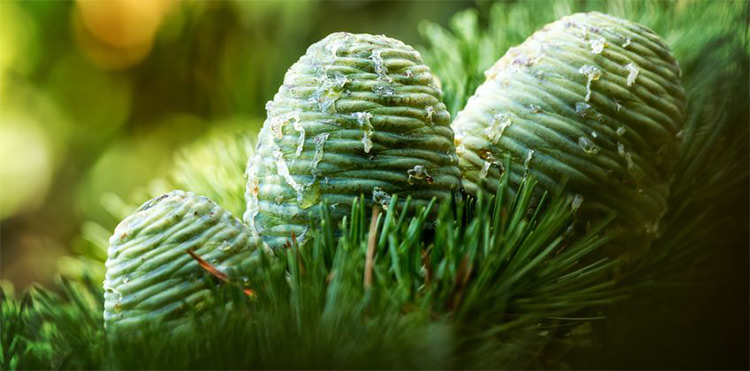
Atlas Cedarwood Essential Oil
Botanical Name: Cedrus atlantica
Plant Family: Pinaceae
Plant Part(s) Typically Distilled: Wood
Conservation Status: Endangered*
Learn More About Atlas Cedarwood Essential Oil

Himalayan Cedarwood Essential Oil
Botanical Name: Cedrus deodara
Plant Family: Pinaceae
Plant Part(s) Typically Distilled: Wood
Conservation Status: Least Concern*
Learn More About Himalayan Cedarwood Essential Oil
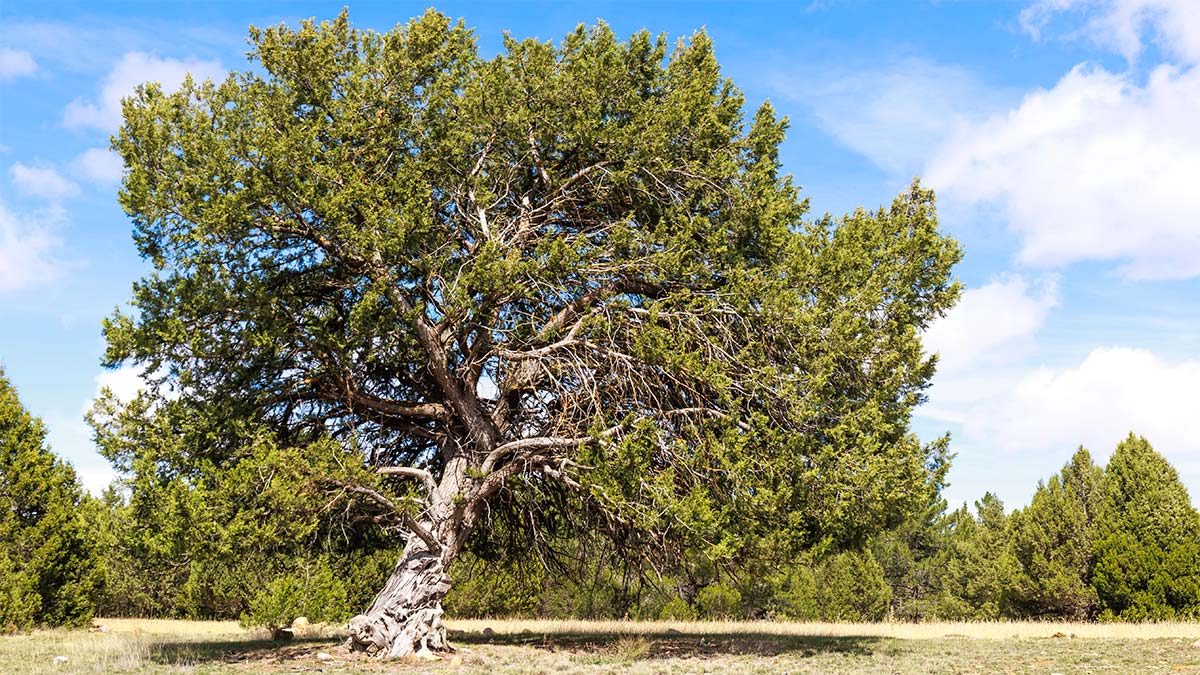
Texas Cedarwood Essential Oil
Botanical Name: Juniperus deppeana (Synonym: Juniperus mexicana)
Plant Family: Cupressaceae
Plant Part(s) Typically Distilled: Wood
Conservation Status: Least Concern*
Learn More About Texas Cedarwood Essential Oil
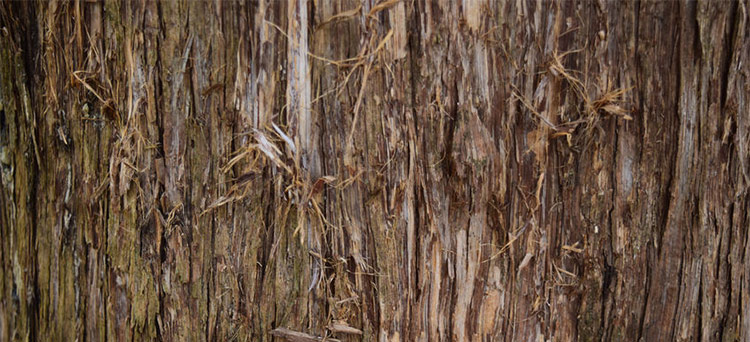
Virginian Cedarwood Essential Oil
Botanical Name: Juniperus virginiana
Plant Family: Cupressaceae
Plant Part(s) Typically Distilled: Wood
Conservation Status: Least Concern*
Learn More About Virginian Cedarwood Essential Oil
Additional Cedarwood Essential Oils
In addition to Atlas, Himalayan, Texas and Virginian Cedarwood Essential Oils, several other cedarwood-type essential oils are commercially available. As with Texas Cedarwood and Virginian Cedarwood Essential Oils, the additional oils listed below are cedarwood-type oils rather than true cedars from the genus Cedrus.
These essential oils may occasionally be encountered through aromatherapy, natural perfumery or specialty essential oil suppliers.
Chinese Cedarwood Essential Oil
Botanical Name: Cupressus funebris
Plant Family: Cupressaceae
Plant Part(s) Typically Distilled: Wood
Conservation Status: Data Deficient*
Aromatic Description: Chinese Cedarwood Essential Oil has a dry, soft, woody aroma with smoky, earthy, balsamic and slightly pencil-like nuances.
Japanese Cedarwood Essential Oil / Sugi Essential Oil
Botanical Name: Cryptomeria japonica
Plant Family: Cupressaceae
Plant Part(s) Typically Distilled: Branches, Leaves and/or Wood
Conservation Status: Near Threatened*
Aromatic Description: Japanese Cedarwood Essential Oil, also known as Sugi Essential Oil, has a distinctive dry, woody and resinous aroma with smoky and subtly incense-like nuances.
Port Orford Cedarwood Essential Oil
Botanical Name: Chamaecyparis lawsoniana
Plant Family: Cupressaceae
Plant Part(s) Typically Distilled: Wood and Sometimes Foliage or Branches
Conservation Status: Near Threatened*
Aromatic Description: Port Orford Cedarwood Essential Oil has a distinctive woody and coniferous aroma with resinous, earthy and subtly balsamic nuances.
*Conservation Status
It's so important that we are each mindful of the conservation status of the trees and plants that are used in the distillation of the oils that we purchase and work with. The conservation status information that appears in this guide and that you see included on most of AromaWeb's essential oil profiles comes from the IUCN Red List of Threatened Species. IUCN stands for the International Union for Conservation of Nature. To learn more about the conservation status of essential oil-bearing plants and how to use the IUCN Red List of Threatened Species, please refer to AromaWeb's Guide to Essential Oils and Sustainability.
References
- International Union for Conservation of Nature, The IUCN Red List of Threatened Species.
- Royal Botanic Gardens, Kew, Plants of the World Online.
- USDA Natural Resources Conservation Service, PLANTS Database.
- Salvatore Battaglia, The Complete Guide to Aromatherapy (Australia: The Perfect Potion, 2003).
- Salvatore Battaglia, The Complete Guide to Aromatherapy Third Edition Volume 1 - Foundations & Materia Medica (Brisbane Australia: Black Pepper Creative, 2018).
- Julia Lawless, The Encyclopedia of Essential Oils (Updated Edition) (London: Harper Thorsons, 2014).
- B.M. Lawrence, Progress in Essential Oils. (Perfumer & Flavorist 23 no. 5, 1998), 67-68.
- B.M. Lawrence, Essential Oils, 1979-1980. (Allured Publishing, Wheaton, 1981).
- B.M. Lawrence, Progress in Essential Oils. (Perfumer & Flavorist 37, 2000), 42-43.
- M. Aberchane, M. Fechtal, Analysis of Moroccan Atlas Cedarwood Oil (Cedrus atlantica Manetti). (Journal of Essential oil Research 16, 2004), 542-547.
- Robert Tisserand and Rodney Young, Essential Oil Safety (Second Edition. United Kingdom: Churchill Livingstone Elsevier, 2014).
- Steffen Arctander, Perfume and Flavor Materials of Natural Origin (Reprint Edition. Elizabeth, NJ: Pathfinder, 2017).
- Jennifer Pressimone, JennScents(R) Holistic Aromatherapy Comprehensive Guide (Clermont, FL: JennScents, Inc., 2015).
General Safety Information
Do not take any oils internally and do not apply undiluted essential oils, absolutes, CO2s or other concentrated essences onto the skin without advanced essential oil knowledge or consultation from a qualified aromatherapy practitioner. For general dilution information, read AromaWeb's Guide to Diluting Essential Oils. If you are pregnant, epileptic, have liver damage, have cancer, or have any other medical problem, use oils only under the proper guidance of a qualified aromatherapy practitioner. Use extreme caution when using oils with children and be sure to first read the recommended dilution ratios for children. Consult a qualified aromatherapy practitioner before using oils with children, the elderly, if you have medical issues or are taking medications. Before using this or any essential oil, carefully read AromaWeb's Essential Oil Safety Information page. For in-depth information on oil safety issues, read Essential Oil Safety by Robert Tisserand and Rodney Young.
Shelf Life
Important Information About the Profiles
The essential oil information provided on AromaWeb is intended for basic educational purposes only. The references to safety information, test results, constituents and percentages is generalized information. Essential oils can vary greatly in composition. The data is not necessarily complete and is not guaranteed to be accurate. The essential oil photos are intended to represent the typical and approximate color of each essential oil. However, essential oil composition and color can vary based on harvesting, distillation, age of the essential oil and other factors. Profiles for several CO2 Extracts and absolutes are included within the directory, and are denoted as such.
Essential Oil Book Suggestions
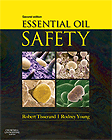
Essential Oil Safety
Own Safety Profiles for 400 Essential Oils and 206 Constituents
Authors: Robert Tisserand and Rodney Young
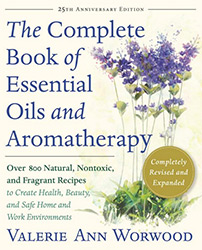
The Complete Book Of Essential Oils & Aromatherapy
Includes 125 Essential Oil Profiles
Author: Valerie Ann Worwood
Visit AromaWeb's Books area to find details about many other essential oil and aromatherapy books.