
Texas Cedarwood Essential Oil
Juniperus deppeana
(Synonym: Juniperus mexicana)
Texas Cedarwood Essential Oil Profile Contents:
- Introduction
- Botanical Name, Synonyms and Species Clarification
- How Does Texas Cedarwood Essential Oil Compare to Virginian Cedarwood Essential Oil?
- Texas Cedarwood Essential Oil Benefits and Uses
- Aromatic Description
- Perfumery Note
- Strength of Initial Aroma
- Texas Cedarwood Essential Oil Blends Well With These Oils
- Color
- Consistency
- Botanical Name
- Plant Family
- Common Method of Extraction
- Plant Part Typically Used
- Sustainability and Conservation Status
- Major Constituents of Texas Cedarwood Essential Oil
- Texas Cedarwood Essential Oil Safety Information
- Texas Cedarwood Essential Oil References
- General Essential Oil Safety Information
Introduction
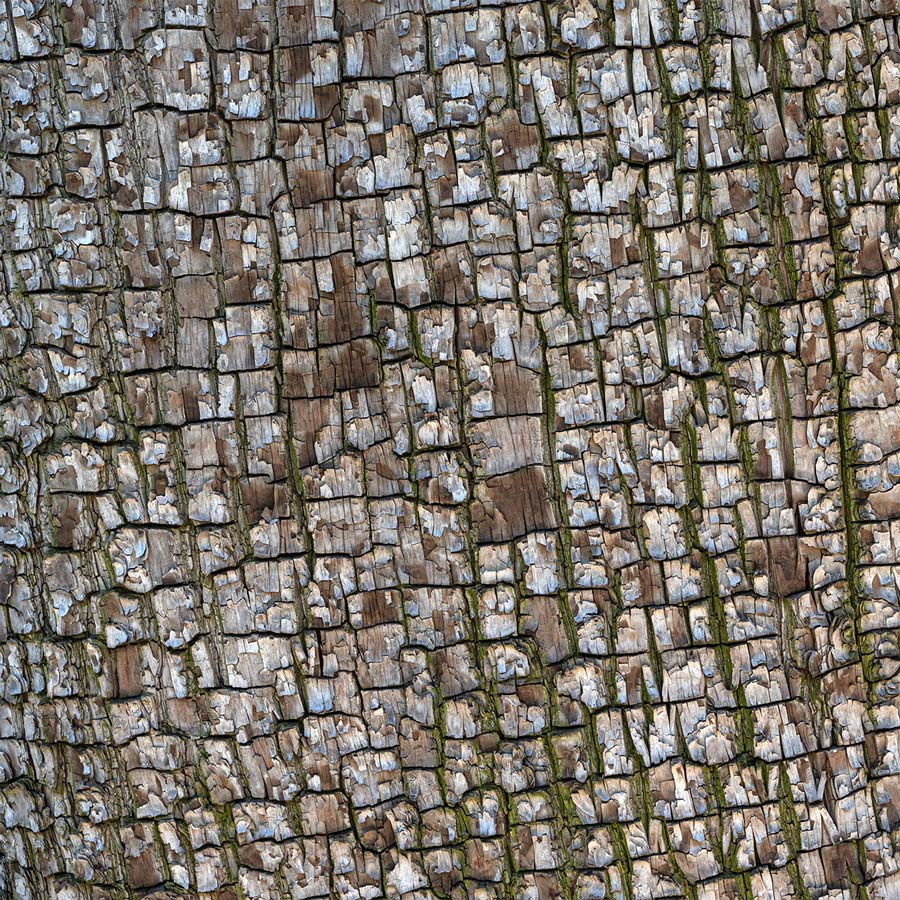
Texas Cedarwood Essential Oil sometimes goes by the name Alligator Juniper Essential Oil.
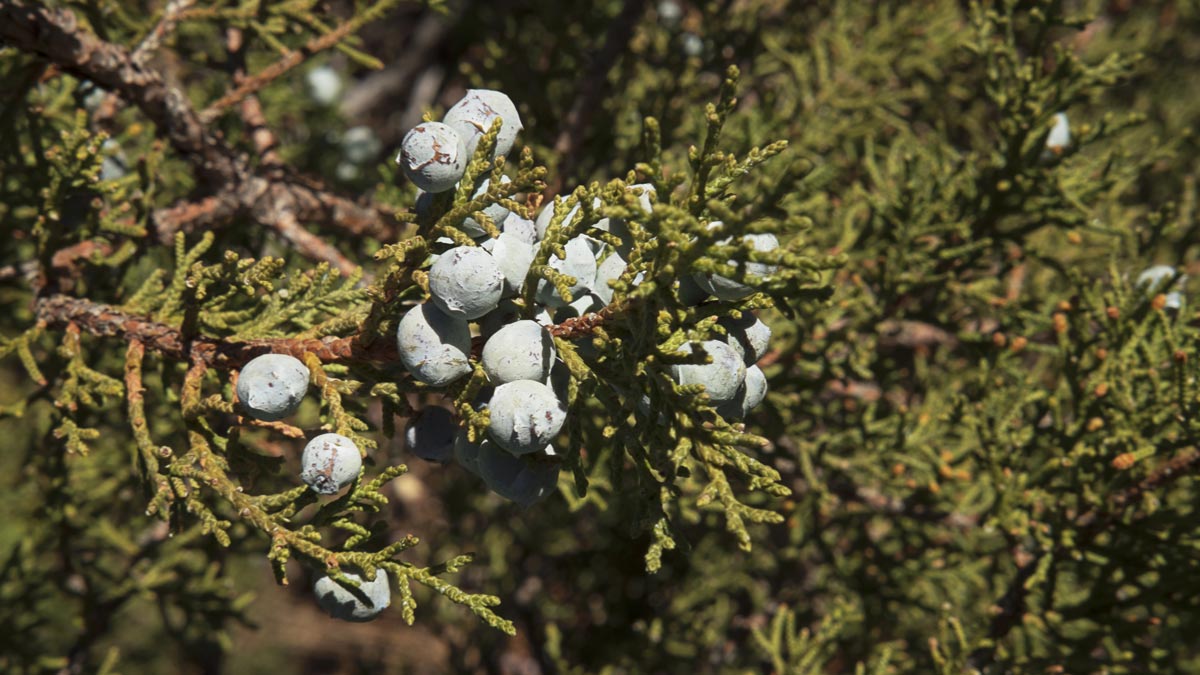
Texas Cedarwood Essential Oil is a deeply woody aromatic oil steam distilled from the wood of Juniperus deppeana, a species of juniper native to portions of Texas and the south-central United States.
Its aroma is dry, woody, smoky and balsamic, with a distinctive pencil-like character that is deeper and more rugged than some other cedarwood oils.
For aromatherapy applications intended to support emotional wellness, Texas Cedarwood Essential Oil is often selected for grounding blends intended to encourage calm, quiet reflection and emotional steadiness.
Its woody, grounding aroma makes it well suited for use in blends intended to support spiritual applications and meditation.
It is also valuable as a natural base note in masculine, forest, resinous, incense, meditation and earthy perfume blends.
Botanical Name, Synonyms and Species Clarification
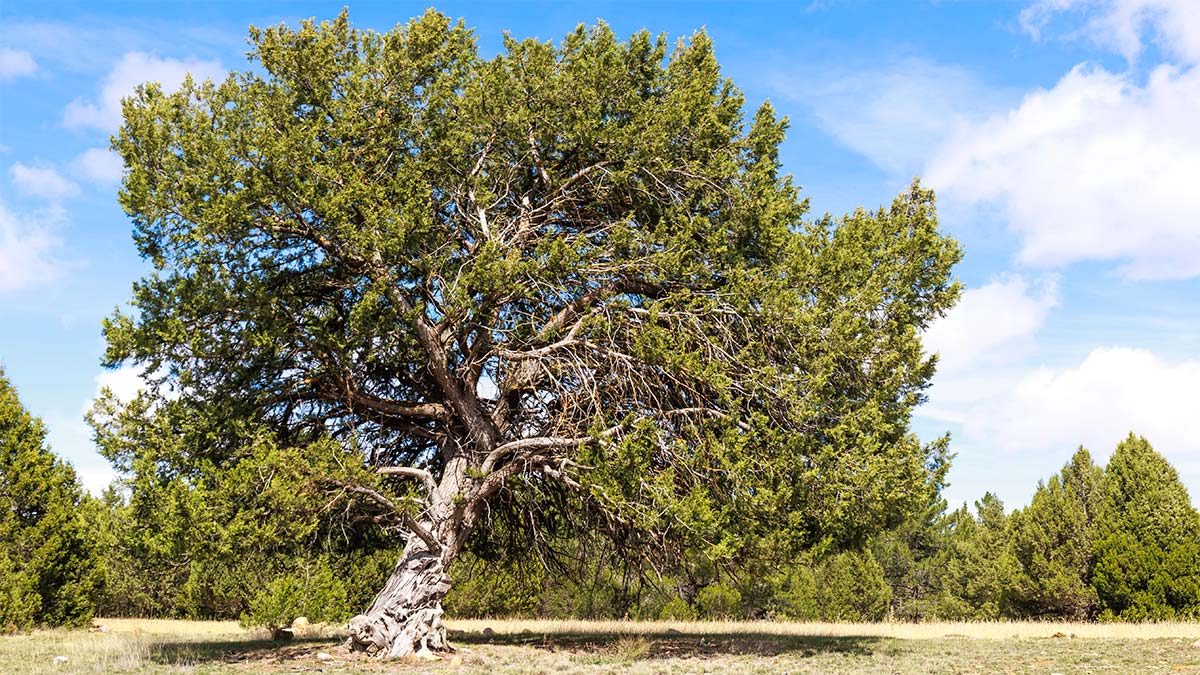
Although commonly referred to as a cedarwood, Texas Cedarwood Essential Oil is botanically a juniper and belongs to the Cupressaceae plant family. Virginian Cedarwood Essential Oil is also actually a juniper.
For comparison, Atlas Cedarwood Essential Oil and Himalayan Cedarwood Essential Oil are both sourced from the genus Cedrus, a member of the Pinaceae plant family.
Texas Cedarwood Essential Oil is typically listed with the species name Juniperus mexicana.
Juniperus mexicana is a synonym of Juniperus deppeana.
Current taxonomic authorities including the USDA Natural Resources Conservation Service Plants Database, Kew Plants of the World Online and the International Union for Conservation of Nature and Natural Resources (IUCN Red List of Threatened Species) treat Juniperus mexicana as a synonym of Juniperus deppeana.
The name Juniperus mexicana has been used in ways that can create confusion. Kew treats Juniperus mexicana Schltdl. & Cham. as a synonym of Juniperus deppeana, while a separate name, Juniperus mexicana Spreng., is treated as a synonym of Juniperus monticola.
To add to the confusion, a number of essential oil resources including Essential Oil Safety Edition 2 indicate or imply that the common name Texas Cedarwood and/or the species Juniperus mexicana is a synonym of Juniperus ashei.
Some suppliers provide the species name as the synonym Juniperus mexicana and not Juniperus deppeana. Due to the potential confusion, it is prudent to check with suppliers to confirm whether the actual species used to produce the essential oil is Juniperus deppeana or Juniperus ashei.
How Does Texas Cedarwood Essential Oil Compare to Virginian Cedarwood Essential Oil?
Texas Cedarwood Essential Oil and Virginian Cedarwood Essential Oil are compositionally similar, as both are dominated by sesquiterpenes and sesquiterpenols such as cedrene, thujopsene, cedrol and widdrol. However, Texas Cedarwood Oil tends to contain a higher proportion of thujopsene, while Virginian Cedarwood Oil tends to contain a higher proportion of alpha-cedrene. Their overall profiles are closely related, but the essential oils are not chemically identical.
Aromatically, Texas Cedarwood Essential Oil is similar to Virginian Cedarwood Essential Oil in its dry, woody, pencil-like character, but Texas Cedarwood tends to smell a bit rougher and more rugged. I perceive Virginian Cedarwood as being somewhat smoother, sweeter and more polished by comparison.
Chemical Composition Comparison
| Constituents | J. virginiana (Virginian Cedarwood) |
J. mexicana (Texas Cedarwood) |
| a-cedrene | 20.0% | 21.2% |
| B-cedrene | 6.6% | 4.9% |
| Thujopsene | 18.9% | 29.0% |
| Other Sesquiterpenes | 13.3% | 15.5% |
| Cedrol | 31.6% | 25.0% |
| Widdrol | 4.8% | 4.2% |
Source: B.M. Lawrence, Essential Oils, 1979-1980. (Allured Pulishing, Wheaton, 1981). Source cited in Salvatore Battaglia, The Complete Guide to Aromatherapy Third Edition Volume 1 - Foundations & Materia Medica (Brisbane Australia: Black Pepper Creative, 2018), 210.
Also See: Cedarwood Essential Oil Comparison Guide: Understand the Differences Between Cedarwood Essential Oils
Himalayan Cedarwood is a conifer. Learn more about conifers by reading AromaWeb's Guide to Coniferous Essential Oils.
Texas Cedarwood Essential Oil Benefits and Uses
- Anxiety
- Nervous Tension
- Concentration
- Catarrhal Conditions
- Coughs
- Chronic Bronchitis
- Cystitis
- UTI
- Oily Skin
- Acne
- Insect Repellent
- Arthritis
- Bronchitis
- Dandruff
- Dermatitis
- Stress
- Perfumery
Sources:
Salvatore Battaglia, The Complete Guide to Aromatherapy Third Edition Volume 1 - Foundations & Materia Medica (Brisbane Australia: Black Pepper Creative, 2018), 208-214. Julia Lawless, The Encyclopedia of Essential Oils (Updated Edition) (London: Harper Thorsons, 2014), 67-68. Steffen Arctander, Perfume and Flavor Materials of Natural Origin (Reprint Edition. Elizabeth, NJ: Pathfinder., 2017), 144.
Aromatic Description
Texas Cedarwood Essential Oil smells deep, woody and balsamic. It is similar in aroma to that of Virginian Cedarwood Essential Oil. Both strongly resemble the aroma of pencil shavings, cedar chests and closets. However, Texas Cedarwood Essential Oil offers a distinctive pencil-like character that is deeper and more rugged than Virginian Cedarwood Essential Oil.
Perfumery Note
Base
Strength of Initial Aroma
Medium
Texas Cedarwood Essential Oil Blends Well With These Oils
As with the other cedarwood oils, Texas Cedarwood Essential Oil blends especially well with oils in the citrus, conifer, resin, wood, floral, spice and herbaceous aroma families.
Color
Clear to Pale Yellow
Consistency
Medium
Botanical Name
Juniperus deppeana
(Synonym: Juniperus mexicana)
Plant Family
Common Method of Extraction
Steam Distilled
Plant Part Typically Used
Sustainability and Conservation Status
Least Concern
Source: https://www.iucnredlist.org/species/42231/2964728
Last Accessed: June 8, 2026
Atlas Cedarwood is endangered. From a conservation perspective, it is better to use Texas Cedarwood or Virginian Cedarwood Essential Oil than it is to use Atlas Cedarwood Essential Oil.
To learn more about the conservation status of essential oil bearing plants and how to use the IUCN Red List of Threatened Species, please refer to AromaWeb's Guide to Essential Oils and Sustainability.
Major Constituents
- Thujopsene
- a-Cedrene
- Cedrol
- B-Cedrene
See Essential Oil Safety for more complete list of typical constituents.
Source: B.M. Lawrence, Progress in Essential Oils. (Perfumer & Flavorist 23 no. 5, 1998), 67-68. Source cited in Robert Tisserand and Rodney Young, Essential Oil Safety (Second Edition. United Kingdom: Churchill Livingstone Elsevier, 2014), 239.
Texas Cedarwood Essential Oil Safety Information
Tisserand and Young do not indicate any special precautions for Texas Cedarwood Oil. Reading Tisserand and Young's full profile is recommended. [Robert Tisserand and Rodney Young, Essential Oil Safety (Second Edition. United Kingdom: Churchill Livingstone Elsevier, 2014), 240.]
Also See: Cedarwood Essential Oil Comparison Guide: Understand the Differences Between Cedarwood Essential Oils
Himalayan Cedarwood is a conifer. Learn more about conifers by reading AromaWeb's Guide to Coniferous Essential Oils.
Texas Cedarwood Essential Oil References
- Royal Botanic Gardens, Kew, Plants of the World Online, Juniperus deppeana Steud., available at the Royal Botanic Gardens, Kew database, accessed June 8, 2026.
- USDA Natural Resources Conservation Service, PLANTS Database, Juniperus deppeana Steud., available at the USDA PLANTS Database, accessed June 8, 2026.
- International Union for Conservation of Nature, The IUCN Red List of Threatened Species, Alligator Juniper / Juniperus deppeana, available at the IUCN Red List database, accessed June 8, 2026.
- B.M. Lawrence, Essential Oils, 1979-1980. (Allured Publishing, Wheaton, 1981).
- Salvatore Battaglia, The Complete Guide to Aromatherapy Third Edition Volume 1 - Foundations & Materia Medica (Brisbane Australia: Black Pepper Creative, 2018), 210.
- Robert Tisserand and Rodney Young, Essential Oil Safety (Second Edition. United Kingdom: Churchill Livingstone Elsevier, 2014), 239-240.
- Steffen Arctander, Perfume and Flavor Materials of Natural Origin (Reprint Edition. Elizabeth, NJ: Pathfinder, 2017), 284-285.
- Julia Lawless, The Encyclopedia of Essential Oils (Updated Edition) (London: Harper Thorsons, 2014), 108.
General Safety Information
Do not take any oils internally and do not apply undiluted essential oils, absolutes, CO2s or other concentrated essences onto the skin without advanced essential oil knowledge or consultation from a qualified aromatherapy practitioner. For general dilution information, read AromaWeb's Guide to Diluting Essential Oils. If you are pregnant, epileptic, have liver damage, have cancer, or have any other medical problem, use oils only under the proper guidance of a qualified aromatherapy practitioner. Use extreme caution when using oils with children and be sure to first read the recommended dilution ratios for children. Consult a qualified aromatherapy practitioner before using oils with children, the elderly, if you have medical issues or are taking medications. Before using this or any essential oil, carefully read AromaWeb's Essential Oil Safety Information page. For in-depth information on oil safety issues, read Essential Oil Safety by Robert Tisserand and Rodney Young.
Shelf Life
Important Information About the Profiles
The essential oil information provided on AromaWeb is intended for basic educational purposes only. The references to safety information, test results, constituents and percentages is generalized information. Essential oils can vary greatly in composition. The data is not necessarily complete and is not guaranteed to be accurate. The essential oil photos are intended to represent the typical and approximate color of each essential oil. However, essential oil composition and color can vary based on harvesting, distillation, age of the essential oil and other factors. Profiles for several CO2 Extracts and absolutes are included within the directory, and are denoted as such.
Essential Oil Book Suggestions
Essential Oil Safety
Own Safety Profiles for 400 Essential Oils and 206 Constituents
Authors: Robert Tisserand and Rodney Young
The Complete Book Of Essential Oils & Aromatherapy
Includes 125 Essential Oil Profiles
Author: Valerie Ann Worwood
Visit AromaWeb's Books area to find details about many other essential oil and aromatherapy books.