
Himalayan Cedarwood Essential Oil
Cedrus deodara

Himalayan Essential Oil Profile Contents:
- Introduction
- How Does Himalayan Cedarwood Essential Oil Compare to Atlas Cedarwood Essential Oil?
- Himalayan Cedarwood Essential Oil Benefits and Uses
- Aromatic Description
- Perfumery Note
- Strength of Initial Aroma
- Himalayan Cedarwood Essential Oil Blends Well With These Oils
- Color
- Consistency
- Botanical Name
- Plant Family
- Common Method of Extraction
- Plant Part Typically Used
- Sustainability and Conservation Status
- Major Constituents of Himalayan Cedarwood Essential Oil
- Himalayan Cedarwood Essential Oil Safety Information
- Himalayan Cedarwood Essential Oil References
- General Essential Oil Safety Information
Introduction
Himalayan Cedarwood Essential Oil sometimes goes by the name Deodar Cedar Essential Oil.
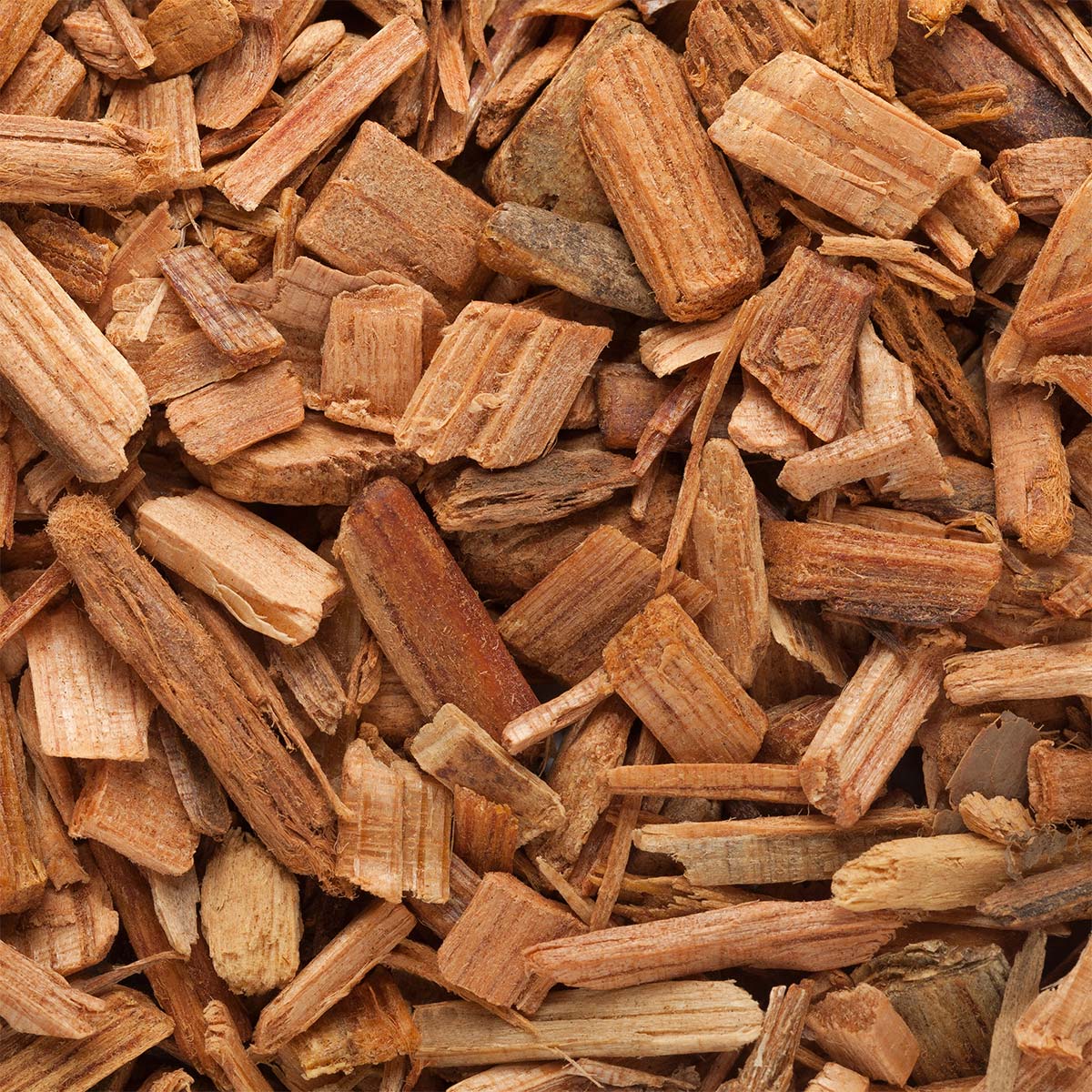
Himalayan Cedarwood Essential Oil is a beautifully woody aromatic oil steam distilled from the wood of Cedrus deodara, a true cedar species native to the Himalayan region.
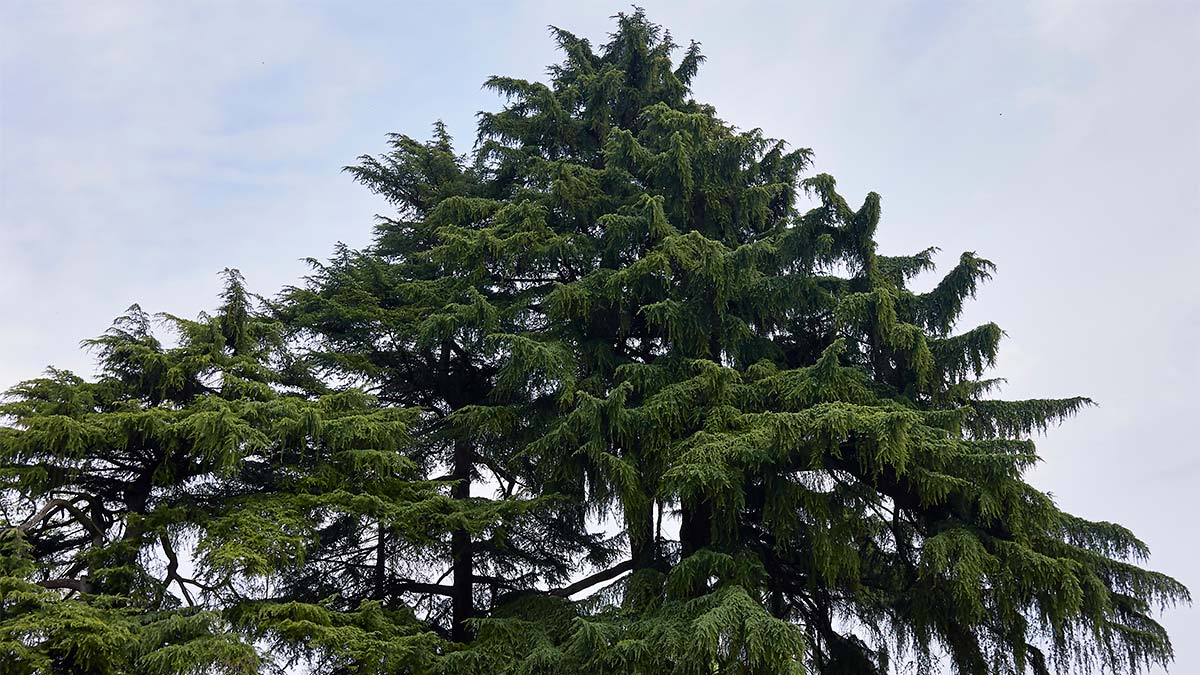
Its aroma is soft, dry, woody, balsamic and subtly smoky, with a smooth, gently sweet character that is more rounded than that of Atlas Cedarwood Essential Oil.
For aromatherapy applications intended to support emotional wellness, Himalayan Cedarwood Essential Oil is grounding, and it helps promote a sense of calm.
In natural perfumery, Himalayan Cedarwood Essential Oil offers an anchoring aroma. It provides a long-lasting woody base note that works beautifully in forest, incense, resinous, earthy, masculine and spiritually focused aromatic blends.
How Does Himalayan Cedarwood Essential Oil Compare to Atlas Cedarwood Essential Oil?
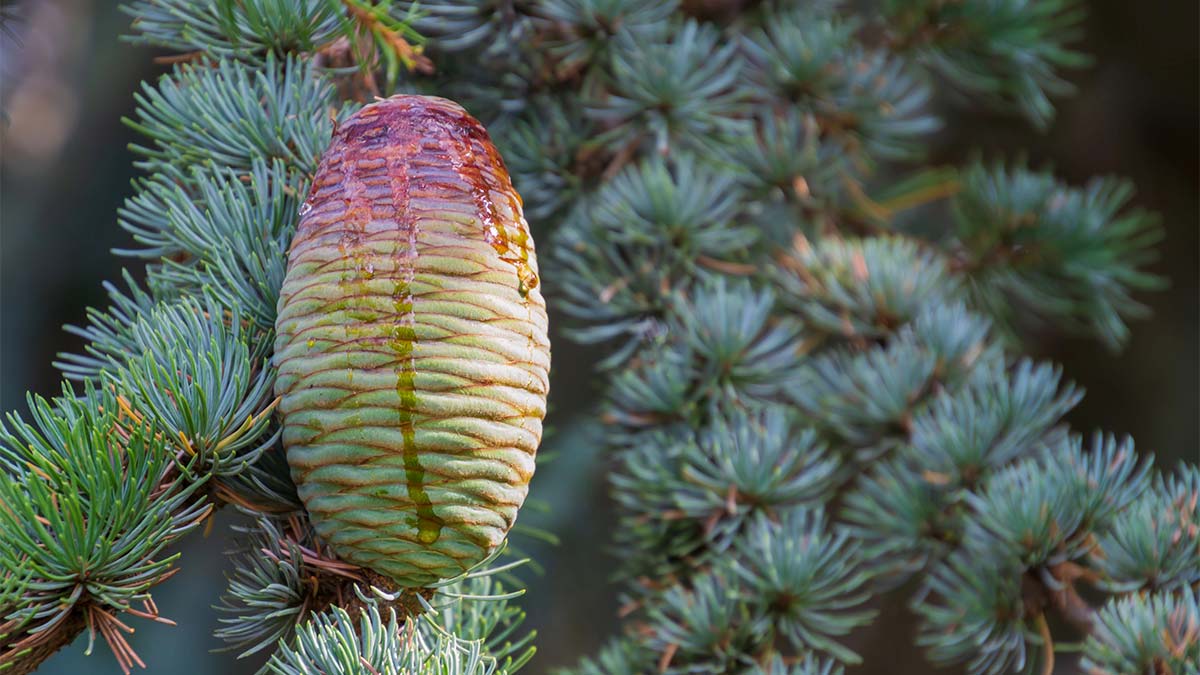
Himalayan Cedarwood Essential Oil and Atlas Cedarwood Essential Oil are both distilled from true cedar trees within the Cedrus genus, with Himalayan Cedarwood derived from Cedrus deodara and Atlas Cedarwood derived from Cedrus atlantica. As a result, the two essential oils share some compositional similarities, particularly in their sesquiterpene and sesquiterpenol content. However, they are not chemically identical, and variations in their major constituents contribute to meaningful differences in their aromatic profiles.
Himalayan Cedarwood Essential Oil and Atlas Cedarwood Essential Oil are both typically rich in himachalenes, especially beta-himachalene, alpha-himachalene and gamma-himachalene, but published analyses suggest Himalayan Cedarwood is often especially dominated by these himachalene sesquiterpenes, while Atlas Cedarwood may show more variation, depending on the source.
Both oils also contain ketones, particularly isomers of Atlantone. Atlas Cedarwood Essential Oil contains approximately 5-10% ketones. Himalayan Cedarwood Essential Oil contains approximately 20-25% ketones which is likely why Tisserand and Young indicate that Himalayan Cedarwood Essential Oil may be moderately toxic. Reading Tisserand and Young's full profile is recommended. [Robert Tisserand and Rodney Young, Essential Oil Safety (Second Edition. United Kingdom: Churchill Livingstone Elsevier, 2014), 238.]
Aromatically, Himalayan Cedarwood Essential Oil is similar to Atlas Cedarwood Essential Oil in its soft, dry, woody and balsamic character. However, I perceive Himalayan Cedarwood as being somewhat smoother, sweeter and more rounded, with a gentler resinous quality. Atlas Cedarwood Essential Oil tends to smell drier, deeper and more distinctly resinous by comparison.
From a conservation and sustainability perspective, Himalayan Cedarwood is listed as Least Concern by the IUCN. Atlas Cedarwood is endangered. See the Sustainability and Conservation Status for more detailed information.
Also See: Cedarwood Essential Oil Comparison Guide: Understand the Differences Between Cedarwood Essential Oils
Himalayan Cedarwood is a conifer. Learn more about conifers by reading AromaWeb's Guide to Coniferous Essential Oils.
Himalayan Cedarwood Essential Oil Benefits and Uses
- Acne
- Arthritis
- Bruising
- Coughs
- Cystitis
- Dandruff
- Eczema
- Psoriasis
- Joint Pain
- Oily Skin
- Skin Irritations
- UTIs
- Anxiety
- Concentration
- Depression
- Insomnia
- Nervousness
- Mental Performance
- Higher Thinking
- Anger
- Confidence
- Fear
- Grounding
- 1st, 2nd, 3rd, 6th and 7th Chakras
Source: Jennifer Pressimone, JennScents(R) Holistic Aromatherapy Comprehensive Guide (Clermont, FL: JennScents, Inc., 2015), 84-85.
Aromatic Description
Himalayan Cedarwood Essential Oil smells soft, dry and woody. It has balsamic, resinous and subtly smoky nuances, accompanied by a smooth, grounding sweetness.
Compared with Atlas Cedarwood Essential Oil, Himalayan Cedarwood tends to smell a bit softer, smoother and less sharply resinous, with a slightly sweeter and more rounded woody character.
Perfumery Note
Base
Strength of Initial Aroma
Medium
Himalayan Cedarwood Essential Oil Blends Well With These Oils
As with the other cedarwood oils, Himalayan Cedarwood Essential Oil blends especially well with oils in the citrus, conifer, resin, wood, floral, spice and herbaceous aroma families.
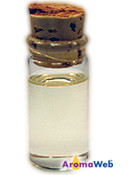
Color
Clear to Pale Yellow
Consistency
Medium
Botanical Name
Plant Family
Common Method of Extraction
Steam Distilled
Plant Part Typically Used
Sustainability and Conservation Status
Least Concern
Source: https://www.iucnredlist.org/species/42304/2970751
Last Accessed: June 13, 2026
Atlas Cedarwood is endangered. From a conservation perspective, Himalayan Cedarwood Essential Oil, Texas Cedarwood Essential Oil or Virginian Cedarwood Essential Oil may be preferable alternatives to Atlas Cedarwood Essential Oil, provided they are sourced responsibly.
To learn more about the conservation status of essential oil bearing plants and how to use the IUCN Red List of Threatened Species, please refer to AromaWeb's Guide to Essential Oils and Sustainability.
Major Constituents
- a-Himachalene
- a-Cedrene
- B-Himachalene
- (E)-a-Atlantone
- Deodarone
- (z)-a-Atlantone
See Essential Oil Safety for more complete list of typical constituents.
Source: B.M. Lawrence, Progress in Essential Oils. (Perfumer & Flavorist 37, 2000), 42-43. Source cited in Robert Tisserand and Rodney Young, Essential Oil Safety (Second Edition. United Kingdom: Churchill Livingstone Elsevier, 2014), 238.
Himalayan Cedarwood Essential Oil Safety Information
Tisserand and Young indicate that Himalayan Cedarwood Essential Oil may be moderately toxic. Reading Tisserand and Young's full profile is recommended. [Robert Tisserand and Rodney Young, Essential Oil Safety (Second Edition. United Kingdom: Churchill Livingstone Elsevier, 2014), 238.]
Also See: Cedarwood Essential Oil Comparison Guide: Understand the Differences Between Cedarwood Essential Oils
Himalayan Cedarwood is a conifer. Learn more about conifers by reading AromaWeb's Guide to Coniferous Essential Oils.
Himalayan Cedarwood Essential Oil References
- Jennifer Pressimone, JennScents(R) Holistic Aromatherapy Comprehensive Guide (Clermont, FL: JennScents, Inc., 2015), 84-85.
- B.M. Lawrence, Progress in Essential Oils. (Perfumer & Flavorist 37, 2000), 42-43.
- Robert Tisserand and Rodney Young, Essential Oil Safety (Second Edition. United Kingdom: Churchill Livingstone Elsevier, 2014), 238.
- Royal Botanic Gardens, Kew, Plants of the World Online, Cedrus deodara, available at the Royal Botanic Gardens, Kew database, accessed June 13, 2026.
- USDA Natural Resources Conservation Service, PLANTS Database, Cedrus deodara (Roxb.) G. Don f., available at the USDA PLANTS Database, accessed June 13, 2026.
- International Union for Conservation of Nature, The IUCN Red List of Threatened Species, Deodar Cedar / Cedrus deodara, available at the IUCN Red List database, accessed June 13, 2026.
- Salvatore Battaglia, The Complete Guide to Aromatherapy Third Edition Volume 1 - Foundations & Materia Medica (Brisbane Australia: Black Pepper Creative, 2018), 208-214.
- Steffen Arctander, Perfume and Flavor Materials of Natural Origin (Reprint Edition. Elizabeth, NJ: Pathfinder, 2017), 141.
General Safety Information
Do not take any oils internally and do not apply undiluted essential oils, absolutes, CO2s or other concentrated essences onto the skin without advanced essential oil knowledge or consultation from a qualified aromatherapy practitioner. For general dilution information, read AromaWeb's Guide to Diluting Essential Oils. If you are pregnant, epileptic, have liver damage, have cancer, or have any other medical problem, use oils only under the proper guidance of a qualified aromatherapy practitioner. Use extreme caution when using oils with children and be sure to first read the recommended dilution ratios for children. Consult a qualified aromatherapy practitioner before using oils with children, the elderly, if you have medical issues or are taking medications. Before using this or any essential oil, carefully read AromaWeb's Essential Oil Safety Information page. For in-depth information on oil safety issues, read Essential Oil Safety by Robert Tisserand and Rodney Young.
Shelf Life
Important Information About the Profiles
The essential oil information provided on AromaWeb is intended for basic educational purposes only. The references to safety information, test results, constituents and percentages is generalized information. Essential oils can vary greatly in composition. The data is not necessarily complete and is not guaranteed to be accurate. The essential oil photos are intended to represent the typical and approximate color of each essential oil. However, essential oil composition and color can vary based on harvesting, distillation, age of the essential oil and other factors. Profiles for several CO2 Extracts and absolutes are included within the directory, and are denoted as such.
Essential Oil Book Suggestions
Essential Oil Safety
Own Safety Profiles for 400 Essential Oils and 206 Constituents
Authors: Robert Tisserand and Rodney Young
The Complete Book Of Essential Oils & Aromatherapy
Includes 125 Essential Oil Profiles
Author: Valerie Ann Worwood
Visit AromaWeb's Books area to find details about many other essential oil and aromatherapy books.