
Lemon-Scented Ironbark Essential Oil
Eucalyptus staigeriana

Description
Lemon-Scented Ironbark Essential Oil is also known as Lemon Ironbark Eucalyptus.
Lemon-Scented Ironbark Essential Oil is a distinctive and uplifting member of the eucalyptus family. However, its aroma is dramatically different from that of Eucalyptus globulus and Eucalyptus radiata essential oils.
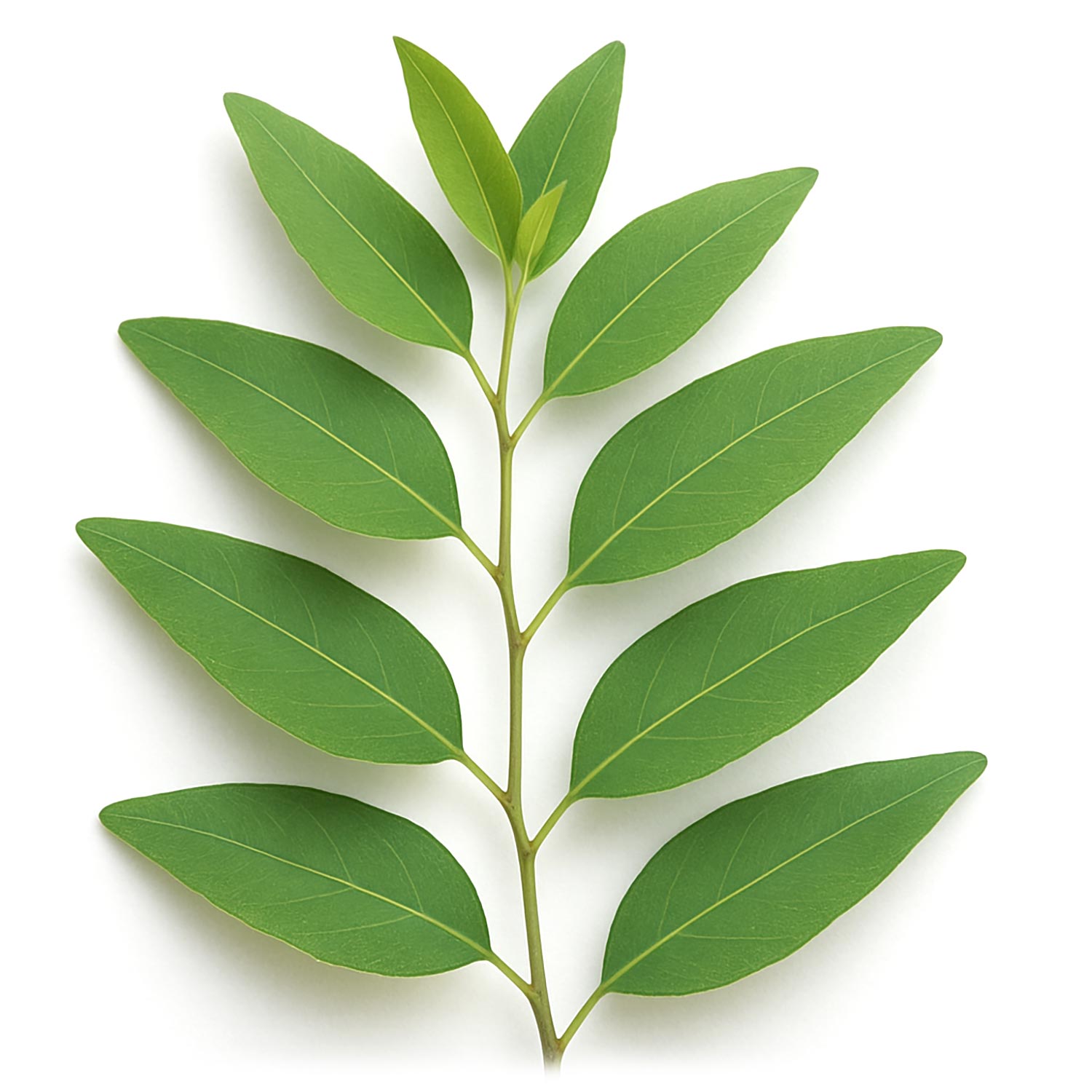
Lemon-Scented Ironbark Essential Oil is prized for its bright, lemony aroma with soft, sweet, and slightly woody undertones. It is one of my favorite lemon-scented essential oils because its aroma is so fresh and bright.
Steam distilled from the leaves of the tree, this refreshing essential oil is rich in aldehydes and monoterpenes that contribute to its sparkling citrus bouquet and versatile aromatic profile.
Lemon-Scented Ironbark Essential Oil is a less common essential oil within the scope of aromatherapy, and limited reputable information is available.
It shows great potential for use in helping to uplift the spirits, ease stress and create an atmosphere of positivity and mental clarity. See the Lemon-Scented Ironbark Essential Oil Benefits and Uses section further down on this page for more uses of this intriguing oil.
The vibrant aroma of Lemon-Scented Ironbark Essential Oil blends beautifully with other citrus, floral, and herbal essential oils, making it a versatile addition to diffuser blends, natural perfumery, and body care formulations when used carefully.
Within their published works, Mark Webb, Deby Atterby and Tony Burfield state that Lemon-Scented Ironbark grows in Queensland, Australia, Guatemala, Brazil and the Democratic Republic of Congo.
Lemon-Scented Ironbark Essential Oil is not the same as Lemon Eucalyptus Essential Oil, Corymbia citriodora (Synonym: Eucalyptus citriodora). Because these oils have similar names, it's especially important to confirm the botanical name of the oil you are working with or considering purchasing.
After viewing this profile, explore AromaWeb's insightful Lemon-Scented Essential Oil Guide to compare the composition, uses and benefit for over ten different lemon-scented essential oils.
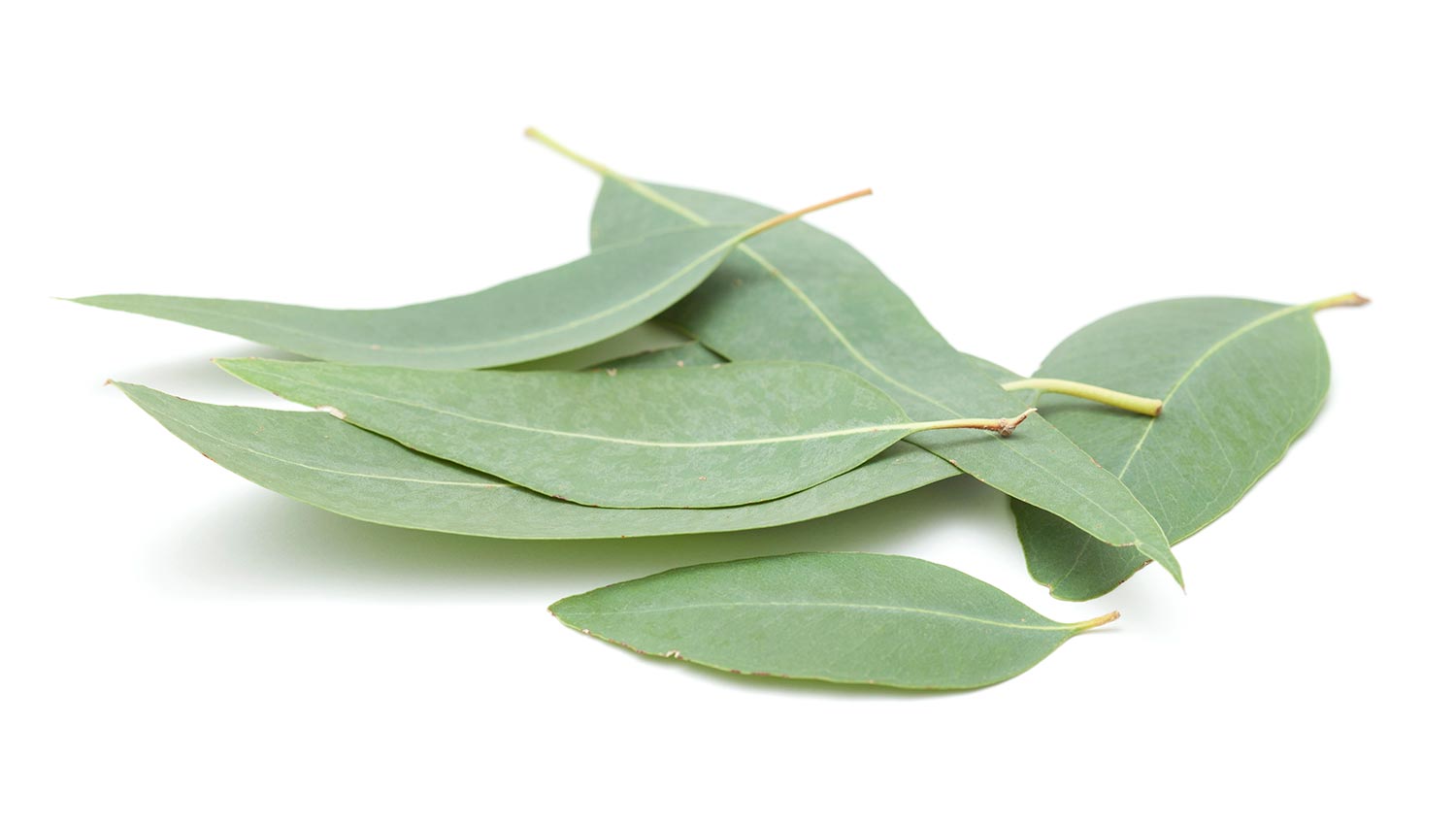
Lemon-Scented Ironbark Essential Oil Benefits and Uses
- Anti-infectious
- Antiviral
- Antiseptic
- Expectorant
- Anti-inflammatory
- Digestive stimulant
- Insect repellent
- Stress
- Perfumery
- Odor-masking
Sources: Deby Atterby, Australian Essential Oil Profiles (Australia: AAT Publishing, 2021), 105. Mark A. Webb, Bush Sense: Australian Essential Oils and Aromatic Compounds. (Australia: Griffin Press, 2000), 58.
Botanical Name
Plant Family
Common Method of Extraction
Steam Distilled
Plant Part Typically Used

Color
Pale Yellow
Consistency
Thin
Perfumery Note
Top
Strength of Initial Aroma
Medium - Intense
Aromatic Description
The aroma of Lemon-Scented Ironbark Essential Oil has an intense, sweet lemon-citrus aroma. It is fruity with a soft herbal-floral lift and a light woody drydown. It does not offer the cineole and camphorous aroma that Eucalyptus globulus Essential Oil is known for.
Sustainability and Conservation Status
Least Concern
Source: https://www.iucnredlist.org/species/133374376/133374378
Last Accessed: February 15, 2026
To learn more about the conservation status of essential oil bearing plants and how to use the IUCN Red List of Threatened Species, please refer to AromaWeb's Guide to Essential Oils and Sustainability.
Major Constituents of Lemon-Scented Ironbark Essential Oil
- Methyl geranate
- Geranyl acetate
- beta-Phellandrene
- Limonene
- Neral
- Geraniol
Source: Mark A. Webb, Bush Sense: Australian Essential Oils and Aromatic Compounds. (Australia: Griffin Press, 2000), 58.
Lemon-Scented Ironbark Essential Oil Safety Information
Essential Oil Safety Edition 2 does not have an entry for Lemon-Scented Ironbark Essential Oil.
Deby Atterby recommends a maximum dermal level of no higher than 1% and expresses precautions in using it on sensitive skin due to its aldehyde content, including citral. Use great care with children, and do not use at all with children under the age of 3. Reading her complete profile is recommended.
Source: Deby Atterby, Australian Essential Oil Profiles (Australia: AAT Publishing, 2021), 105.
Lemon-Scented Ironbark Essential Oil References
- Deby Atterby, Australian Essential Oil Profiles (Australia: AAT Publishing, 2021), 103-105.
- Mark A. Webb, Bush Sense: Australian Essential Oils and Aromatic Compounds. (Australia: Griffin Press, 2000), 58-59.
- Tony Burfield, Natural Aromatic Materials: Odours & Origins, Second Edition (Tampa, FL: The Atlantic Institute of Aromatherapy, 2016), 397-398.
Detailed Guide to Lemon-Scented Essential Oils
Not all lemon-scented essential oils are derived from citrus fruits. Instead, they are a diverse group of essential oils that share a refreshing, lemony aroma.
Explore AromaWeb's insightful Lemon-Scented Essential Oil Guide and learn about their composition, uses, benefits, how they differ, safety considerations and more.
General Safety Information
Do not take any oils internally and do not apply undiluted essential oils, absolutes, CO2s or other concentrated essences onto the skin without advanced essential oil knowledge or consultation from a qualified aromatherapy practitioner. For general dilution information, read AromaWeb's Guide to Diluting Essential Oils. If you are pregnant, epileptic, have liver damage, have cancer, or have any other medical problem, use oils only under the proper guidance of a qualified aromatherapy practitioner. Use extreme caution when using oils with children and be sure to first read the recommended dilution ratios for children. Consult a qualified aromatherapy practitioner before using oils with children, the elderly, if you have medical issues or are taking medications. Before using this or any essential oil, carefully read AromaWeb's Essential Oil Safety Information page. For in-depth information on oil safety issues, read Essential Oil Safety by Robert Tisserand and Rodney Young.
Shelf Life
Important Information About the Profiles
The essential oil information provided on AromaWeb is intended for basic educational purposes only. The references to safety information, test results, constituents and percentages is generalized information. Essential oils can vary greatly in composition. The data is not necessarily complete and is not guaranteed to be accurate. The essential oil photos are intended to represent the typical and approximate color of each essential oil. However, essential oil composition and color can vary based on harvesting, distillation, age of the essential oil and other factors. Profiles for several CO2 Extracts and absolutes are included within the directory, and are denoted as such.
Essential Oil Book Suggestions
Essential Oil Safety
Own Safety Profiles for 400 Essential Oils and 206 Constituents
Authors: Robert Tisserand and Rodney Young
The Complete Book Of Essential Oils & Aromatherapy
Includes 125 Essential Oil Profiles
Author: Valerie Ann Worwood
Visit AromaWeb's Books area to find details about many other essential oil and aromatherapy books.
