
Guide to Essential Oils, CO2 Extracts, Absolutes and Other Beneficial Aromatic Ingredients
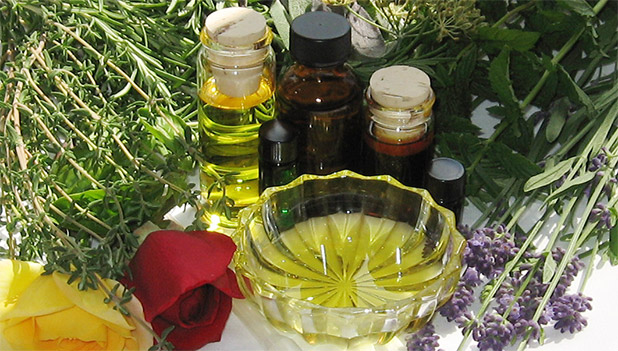
Pure essential oils, CO2 extracts, absolutes, hydrosols, resins, carrier oils, infused oils, herbs and other natural substances are traditionally used within the scope of holistic aromatherapy and natural wellness applications. But do you understand the important differences between them? Just because an oil has a lovely aroma doesn't make it an essential oil. To get the most out of your oils and aromatics and to use them effectively and safely, it's important to genuinely understand the differences between them.
Get acquainted with these beautiful and beneficial oils and aromatic ingredients by exploring the helpful introductory guides below:
What are Essential Oils?What are Absolutes?What are CO2 Extracts (CO2 Supercritical Extracts)?What are Carrier Oils?What are Virgin Carrier Oils?What are Infused Oils/Macerated Oils?What are Resins?What are Hydrosols (Floral Waters)?What are Floral Waxes?What are Aromatherapy Oils?What are Fragrance Oils and Why Aren't They Used in Aromatherapy?What are Flower Essences (Flower Remedies)?
Also
Floral Essential Oils and Absolutes GuideLavender, Lavandin and Spike Lavender Essential Oil DifferencesWood Essential Oils GuideConifer Essential Oils GuideCitrus Essential Oils GuideBergamot vs. FCF Bergamot Essential Oil ExplainedLemon-Scented Essential Oil GuideFolded Citrus Essential Oils Explained