Aromatherapy and Essential Oil Tips for Beginners
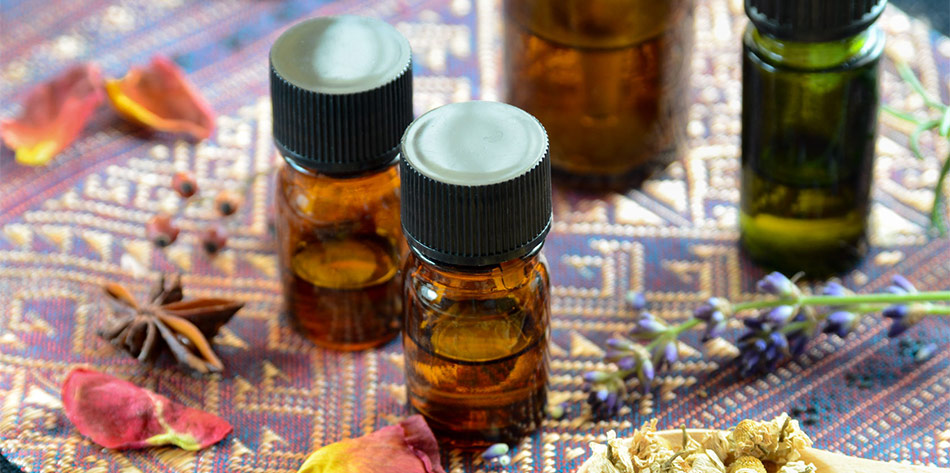
Beginning to use essential oils is the start of an incredible aromatic journey. I created AromaWeb over 20 years ago because essential oils played a highly beneficial role in my life and I was (and still am!) eager to share insight into the safe and effective use of essential oils. Below are several important aromatherapy tips for beginners and those that are new to using essential oils.
No single page, article or guide can provide all the details to using essential oils properly. After reading these tips, I would like to invite you to refer to AromaWeb's Guides & Articles area to read 130 articles that will help get you started on your essential oil journey. All of the articles are free, and there are no pop-ups or subscription forms to fill out.
Many of these suggestions are mentioned throughout AromaWeb, but they are also included below as a quick-reference:
DON'T: Don't buy fragrance or perfume oils thinking they are the same thing as essential oils. Fragrance oils do not offer the therapeutic benefits of essential oils.
DO: Read as much as you can about aromatherapy. It is very easy to get started with aromatherapy, but there are safety issues that you need to be aware of. AromaWeb offers safety tips and information to help you on your way, but you are wise to read even further on the important subject of essential oil safety. Visit the Book Shelf for categorized essential oil book reviews.
DO: Be selective of where you purchase your essential oils. The quality of essential oils varies widely from company to company. Additionally, some companies may falsely claim that their oils are undiluted or pure when they aren't. For more information, read AromaWeb's Guide: How to Shop for Essential Oils and What to Watch out For.
DO: Learn to compare apples to apples when shopping for oils. Anise, Lavender, Bay, Cedarwood, and Eucalyptus are examples of the common names of plants used to create essential oils. There, however, are different varieties of each of these plants. To differential these varieties, the botanical name (also referred to as the Latin name) is used to tell them apart. For instance, two different oils are referred to as "Bay essential oil," yet they come from two different plants. The properties and aroma of each oil do differ as does the general cost between the two. It, therefore, is important to pay attention to the botanical name. In the case of Bay, the common botanical names for the two oils used in this example are Pimenta racemosa and Laurus nobilis. For more information, read AromaWeb's Guide to The Importance of Using Botanical Names With Essential Oils.
DO: It is also helpful to note the country of origin for the oil. Most good essential oil sellers will readily supply the botanical names and country of origin for the oils that they sell. When comparing one company's oils with another's, also pay attention to if either company's oils are organic, wild-crafted or ethically farmed.
DON'T: It is not wise to purchase oils from vendors at street fairs, craft shows, or other limited-time events. Some vendors know beginners have no recourse against them later. This is not to say that there are not highly reputable sellers at such events, but this is a caution for beginners who are not able to reliably judge quality.
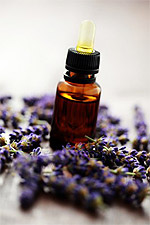
Shown to the right is a bottle with a rubber dropper top. It's okay to use a bottle with dropper top to store essential oils that are blended with carrier oils at very low dilution for a few months or less. However, do not store pure, undiluted essential oils in bottles with rubber dropper tops. The rubber will turn to mush and ruin the oil. It's okay if the bottle has a plastic orifice reducer (euro dropper) insert inside the bottle as the material can withstand essential oils.
DO: Purchasing oils from reputable mail-order companies may result in obtaining higher quality oils at less expense than purchasing oils from a generic local health food establishment. Again, there is a wide variance in the quality of oils from company to company and store to store. Although AromaWeb does not make an endorsement of any establishment, the Aromatherapy and Essential Oil Business Directory lists a variety of companies that sell essential oils and aromatherapy products.
DO: Store your oils in dark glass (amber or cobalt blue) and in a cool, dark place. For more information on essential oil storage, read AromaWeb's Guide to Storing Essential Oils.
DO: Pay special attention to all safety information on all essential oils that you use and remember that there are greater safety concerns for children, the elderly, pregnant women andt hose with medical concerns.
DO: Last but not least, do enjoy introducing aromatherapy into your lifestyle!