Aromatherapy Potpourri Recipes
Introduction
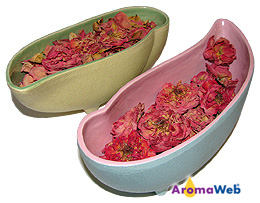
Unscented plant materials such as whole flowers, petals, leaves, pine cones, and wood chips can usually be purchased from stores and online vendors that sell an array of herbal or craft items. It's even more fun to dry your own garden-picked flowers, petals, leaves and pine cones to make your own special potpourri.
Drying Your Own Flowers and Other Materials
The best way that I have found to dry your own flowers and plant material is to use a dehydrator. This not only speeds up the drying process, but the natural fragrance of the flowers and plant material is often retained. It also helps preserve the shape of the flowers and drastically reduces the likelihood of mold/rot occurring with your items as you dry them. The best type of dehydrator for making potpourri is one that has a fan and a temperature control. But any cheap dehydrator should work (I've seen cheap introductory ones for $20 US in some stores).
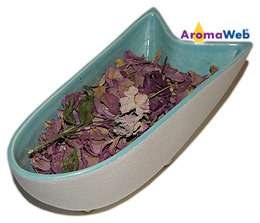
An easy way to find fresh flowers and other items suitable for drying is to check your own flower garden or back yard. Ask your local florist if they'll save and inexpensively sell you flowers with broken stems. Roses with missing petals are great for potpourri because you can pluck all the remaining petals, dry them and turn them into potpourri. To dry potpourri in a dehydrator, trim and clean (as appropriate for the items you are drying) your flowers, petals, etc. and place them in the dehydrator. Don't let the items touch each other. The type of material that you are drying, the air humidity and your brand of dehydrator will all contribute to the length of time it will take to dry your potpourri materials. Dry the material until it is thoroughly dry, otherwise mold can occur. Flowers and petals should feel crisp. It is best to allow your items to cool before determining whether they are done. Be sure to follow all safety and usage instructions for the model of dehydrator that you use.
Making the Potpourri Essential Oil Blend
Choose one of the blends shown here and add your oils to a dark colored glass bottle and mix well by rolling the bottle in between your hands. By making a small master blend, you can later "refresh" your potpourri later by adding more drops of your blend. You of course can also experiment with your own blends of oils or browse through AromaWeb's Aromatherapy Recipes to explore other blends.
These blends are intended strictly for fragrancing potpourri and are not intended for topical or other uses. Be sure that you review the safety data for each essential oil to ensure that it is not contraindicated for you or anyone else in your household.
Blend #1
An exotic, citrus blend.
- 3 drop Jasmine
- 9 drops Sandalwood
- 12 drops Bergamot
- 6 drops Grapefruit
- 3 drops Vetiver
Blend #2
A citrus blend with a lovely floral hint.
- 12 drops Bergamot
- 5 drops Lemon
- 8 drops Grapefruit
- 4 drops Ylang Ylang
- 6 drops Virginian Cedarwood
Blend #3
A wonderful Christmastime blend.
- 8 drops Fir Needle
- 8 drops Spruce
- 7 drops Virginian Cedarwood
- 7 drops Juniper Berry
Blend #4
A warming spicy blend.
- 11 drops Orange
- 6 drops Ginger
- 8 drops Cinnamon
- 1 drop Nutmeg
- 4 drops Frankincense
Scenting Your Potpourri
Mix your desired assortment of flowers, petals, leaves, wood chips, etc. Choose a bowl that you would like to display your potpourri in and place your potpourri into this bowl. Choosing glass or glazed ceramic bowls work best as the essential oils can absorb into porous surfaces. Using a pipette, dropper or the orifice reducer that may be built into your blending bottle, sprinkle 4-5 drops of your master blend onto your potpourri. Based on the strength of the chosen blend and the amount of your potpourri materials, you may need to adjust the number of drops that you use. When the aroma weakens, add more drops of the blend to refreshen the aroma. Do not overpower the potpourri.
Keep the potpourri away from children and pets.
General Safety Information
These recipes are offered for educational purposes only. Before using any essential oil, carefully read AromaWeb's Essential Oil Safety Information page. For in-depth information on oil safety issues, read Essential Oil Safety by Robert Tisserand and Rodney Young. Do not take any oils internally and do not apply undiluted essential oils, absolutes, CO2s or other concentrated essences onto the skin without advanced essential oil knowledge or consultation from a qualified aromatherapy practitioner. For general dilution information, read AromaWeb's Guide to Diluting Essential Oils. If you are pregnant, epileptic, have liver damage, have cancer, or have any other medical problem, use oils only under the proper guidance of a qualified aromatherapy practitioner. Use extreme caution when using oils with children and consult a qualified aromatherapy practitioner before using oils with children, the elderly, if you have medical issues or are taking medications.
Do You Need the Ingredients Listed in This Recipe?
You can find the essential oils, other ingredients and packaging that you need by patronizing the fine companies that support AromaWeb with their banner advertising located throughout AromaWeb (See them all at a glance within the Advertiser Spotlight area) and the listings located within the Aromatherapy Business Directory. Many of AromaWeb's advertisers also expertly formulate their own ready-made products if you decide you'd rather not make aromatherapy products yourself.
Do You Want More Essential Oil Recipes and Blends?
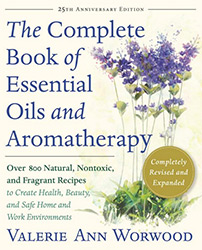
Over 800 Recipes!
The Complete Book Of Essential Oils & Aromatherapy
Author: Valerie Ann Worwood
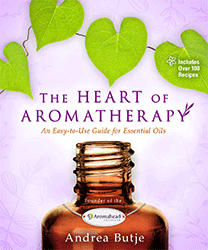
Over 100 Recipes!
The Heart of Aromatherapy
Author: Andrea Butje
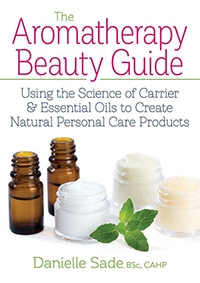
100 Recipes!
The Aromatherapy Beauty Guide
Using the Science of Carrier & Essential Oils to Create Natural Personal Care Products
Author: Danielle Sade, BSc, CAHP
Visit AromaWeb's Books area to find details about many other essential oil and aromatherapy books.