Ylang Ylang Essential Oil
Cananga odorata var genuina
Description
Ylang Ylang Essential Oil, pronounced as Eee-lang Eee-lang, was one of the first essential oils that I ever purchased and worked with. I couldn't resist its intoxicating aroma.
Ylang Ylang Essential Oil is a rather interesting essential oil as its distillation varies a bit from most other oils, and this can affect the composition and aroma of the oil.
Ylang Ylang Extra Essential Oil
Ylang Ylang Extra Essential Oil is typically distilled for a short duration of time before the essential oil is collected. Ylang Ylang Extra is said to contain approximately 30 constituents, with a high proportion of esters, ethers and phenols.
Ylang Ylang I, II and III Essential Oils
After oil classified as Ylang Ylang Extra Essential Oil is collected, the distillation process then continues. After a specific period of time, the distillation process is stopped and the resulting oil is then again collected. That oil is then referred to as Ylang Ylang I Essential Oil. The process repeats, resulting in Ylang Ylang II and Ylang Ylang III. The duration between distillations and the details can vary between distillers. The distillations are generally referred to as fractions and are typically used within fragrancing and perfumery applications.
Ylang Ylang Complete Essential Oil
Ylang Ylang Complete is the essential oil obtained from a complete, uninterrupted distillation. There are instances when an oil labeled as Ylang Ylang Complete may really only contain a subset of the distillations. It may be prudent to check with your vendor to the exact distillation details of their Ylang Ylang Complete.
Within holistic aromatherapy, typically the Extra and the Complete oils are preferred. The other fractions are generally used within fragrancing and perfumery work.
Emotionally, Ylang Ylang Essential Oil is heralded for being helpful with stress and anxiety. It's also used in cases of depression or when trying to cope with anger. I use Ylang Ylang Oil in blends intended to focus upon happiness, gratitude and celebrating blessings. Ylang Ylang is also considered an aphrodisiac.
For Chakra work, Ylang Ylang Essential Oil is said to help balance the Sacral and Solar Plexus Chakras.
Topically, Ylang Ylang Oil has been praised for helping combat acne and oily skin. It may help with alopecia (hair loss).
Be careful when first using Ylang Ylang Essential Oil as it can cause headaches for some individuals, especially if diffused in high concentration.
Ylang Ylang Essential Oil Benefits and Uses
- Anxiety
- Depression
- Frigidity
- Hypertension
- Palpitations
- Stress
Source: Julia Lawless, The Encyclopedia of Essential Oils (Updated Edition) (London: Harper Thorsons, 2014), 204-205.
Botanical Name
Plant Family
Common Method of Extraction
Steam Distilled
Plant Part Typically Used
Color
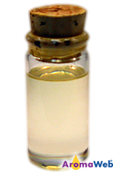
Clear with a Yellow Tinge
Consistency
Medium
Perfumery Note
Middle/Base
Strength of Initial Aroma
Medium - Strong
Aromatic Description
Ylang Ylang Essential Oil smells exotic, floral, sweet and slightly fruity.
Major Constituents
(Depends on the distillation.)
- Linalol
- Farnesol
- Geraniol
- Geranial
- Benzyl Acetate
- Geranyl Acetate
- Eugenol
- Methyl Chavicol
- Pinene
- Beta-Caryophyllene
- Farnasene
Source: Shirley Price, The Aromatherapy Workbook (Hammersmith, London: Thorsons, 1993), 54-5.
Ylang Ylang Essential Oil Safety Information
Tisserand and Young indicate that Ylang Ylang Essential Oil may pose a moderate risk of skin sensitization and recommend dermal maximum of 0.8%. They caution to avoid use for those with hypersensitive/diseased/damaged skin and in children younger than 2. Reading Tisserand and Young's full profile is recommended. [Robert Tisserand and Rodney Young, Essential Oil Safety (Second Edition. United Kingdom: Churchill Livingstone Elsevier, 2014), 476-480.]
Can cause headaches and nausea if used in excess. [Julia Lawless, The Illustrated Encyclopedia of Essential Oils (Rockport, MA: Element Books, 1995), 104.]
General Safety Information
Do not take any oils internally and do not apply undiluted essential oils, absolutes, CO2s or other concentrated essences onto the skin without advanced essential oil knowledge or consultation from a qualified aromatherapy practitioner. For general dilution information, read AromaWeb's Guide to Diluting Essential Oils. If you are pregnant, epileptic, have liver damage, have cancer, or have any other medical problem, use oils only under the proper guidance of a qualified aromatherapy practitioner. Use extreme caution when using oils with children and be sure to first read the recommended dilution ratios for children. Consult a qualified aromatherapy practitioner before using oils with children, the elderly, if you have medical issues or are taking medications. Before using this or any essential oil, carefully read AromaWeb's Essential Oil Safety Information page. For in-depth information on oil safety issues, read Essential Oil Safety by Robert Tisserand and Rodney Young.
Shelf Life
Important Information About the Profiles
The essential oil information provided on AromaWeb is intended for basic educational purposes only. The references to safety information, test results, constituents and percentages is generalized information. Essential oils can vary greatly in composition. The data is not necessary complete and is not guaranteed to be accurate. The essential oil photos are intended to represent the typical and approximate color of each essential oil. However, essential oil composition and color can vary based on harvesting, distillation, age of the essential oil and other factors. Profiles for several CO2 Extracts and absolutes are included within the directory, and are denoted as such.