What is Aromatherapy?

Aromatherapy Definition
Aromatherapy entails the mindful and careful use of essential oils for physical, emotional and spiritual well-being.
The above definition of aromatherapy is the one that I like to use the most in conversation with those who are new to aromatherapy. This explanation is concise, easy to understand, and it opens the door for conversation and elaboration.
The field of aromatherapy is a complementary health modality because it can be used as a way to synergistically support other health practices when done carefully, sensibly and with proper knowledge and training.

Other Aromatherapy Definitions
There is no single official definition of aromatherapy. As I mentioned above, my personal definition of aromatherapy is intentionally simple to help inspire conversation and curiosity without being too overwhelming for those who are new to aromatherapy.
Below are the aromatherapy definitions offered by several well respected authors and educators that have been working with essential oils for decades:
The use of pure essential oils to seek to influence, to change or modify, mind, body or spirit; physiology or mood.
Reference: J. Kusmirek, Perspectives in aromatherapy. S Van Toller, GH Dodds eds. Fragrance: the Psychology and Biology of Perfume, UK: Elsevier: Applied Science, 1992: 277-285. Source cited in Salvatore Battaglia, The Complete Guide to Aromatherapy Third Edition Volume I - Foundations and Materia Medica (Brisbane, Black Pepper Creative, 2018), 5.
Aromatherapy: The use of essential oils from aromatic plants to restore and enhance health and beauty as defined by the American Aromatherapy Association. Aromatherapy uses as its basic ingredients essential oils, which represent the highest herbal energy.
Reference: Jeanne Rose, The Aromatherapy Book (Berkeley, CA: North Atlantic Books, 1992), 48.
Aromatherapy can be defined as the controlled use of essential oils to maintain and promote physical, psychological and spiritual wellbeing.
Reference: Gabriel Mojay, Aromatherapy for Healing the Spirit (Rochester, VT: Healing Arts Press, 1997), 10.
To me, aromatherapy is an art and a science, working together to bring harmony within. Aromatherapy has been defined as the use of 100% pure essential oils to influence, affect, modify, change, shift and alter mood, emotions, physical functions, behaviors, actions, responses and our environment.
Reference: Jennifer Pressimone, JennScents(R) Holistic Aromatherapy Comprehensive Guide (Clermont, FL: JennScents(R), Inc., 2015), 13.
Challenges with Aromatherapy and Its Definition
Concise definitions such as the ones offered above help to provide an initial overview of the field of aromatherapy. However, no concise definition can provide a complete overview.
Lack of clarity and assumptions about what aromatherapy entails can lead to confusion. As Salvatore Battaglia has stated:
It has been the failure to clearly define aromatherapy that has led to a misunderstanding and abuse of the term.
Reference: Salvatore Battaglia, The Complete Guide to Aromatherapy Third Edition Volume I - Foundations and Materia Medica (Brisbane, Black Pepper Creative, 2018), 5.
Therefore, a growing number of individuals and companies are beginning to use the term essential oil therapy in place of the term aromatherapy.
For more information, read AromaWeb's article The Confusion Behind the Term Aromatherapy.
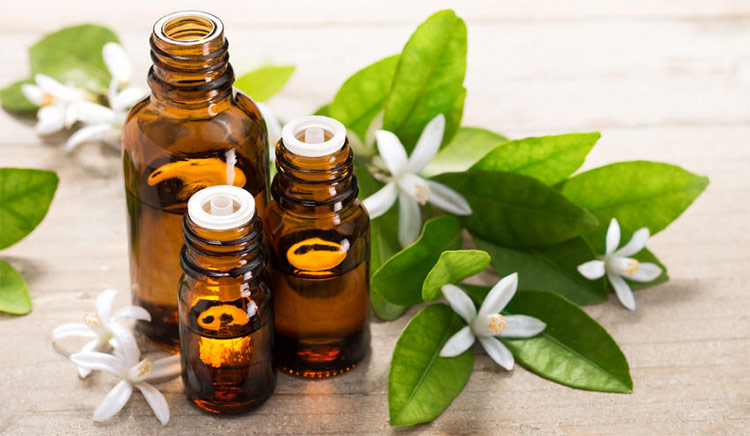
What is Essential Oil Therapy?
The term Essential Oil Therapy is an alternative for the use of the term aromatherapy. As explained below, confusion and challenges exist with the term aromatherapy.
More professionals are beginning to use the term essential oil therapy to help eliminate some of the confusion that comes with the term aromatherapy.
What are Aromatherapists?
Typically, a certified aromatherapist is a trained professional that has received extensive formal aromatherapy education to learn how to use essential oils and formulate aromatherapy products for safe and effective use with his/her/their clients. A certified aromatherapist has completed all coursework, exams and requirements to achieve the certification.
The requirements for certification are not standardized in the USA. Before choosing to work with an aromatherapist, it's best to request details regarding the aromatherapist's educational and professional background, what the education entailed, where they received it and inquire to what professional aromatherapy organizations they are a member of and what level membership they have.
It's then best to verify their membership with the association. In the U.S., the Alliance of International Aromatherapists (AIA) and the National Association for Holistic Aromatherapy (NAHA) each have requirements that aromatherapists must verify before being eligible for most of their membership levels.
Some certified aromatherapists add aromatherapy certification to their existing healthcare or other professional training. For example, many certified aromatherapists are registered nurses, massage therapists naturopathic doctors or have other training and credentials.
When Was the Term Aromatherapy First Used?
Although essential oils have been available for nearly one thousand years, the term aromatherapy was first introduced less than 100 years ago.
Learn more about the fascinating history of essential oils and aromatherapy by reading AromaWeb's History of Aromatherapy article.
Essential oils have been found to provide psychological and physical benefits when used correctly and safely. The Essential Oil Profiles area details over 130 essential oils. Absolutes, CO2s and Hydrosols are also commonly utilized in aromatherapy. Although CO2 extracts and absolutes are not steam distilled and thus are not considered essential oils, the term essential oil is sometimes used as a blanket term to include all natural, aromatic, volatile, plant oils including CO2s and absolutes.
In addition to essential oils, aromatherapy encourages the use of other complementary natural ingredients including vegetable oils (also known as carrier oils) and hydrosols.
Products that include synthetic ingredients are frowned upon in holistic aromatherapy. It is important to note that perfume oils also known as fragrance oils (and usually listed as "fragrance" on an ingredient label) are not the same as essential oils. Fragrance oils and perfume oils contain synthetic chemicals and do not provide the therapeutic benefits of essential oils.
What to Look Out for When Buying Aromatherapy Products
The United States does not regulate the use of the word aromatherapy on product packaging, labeling or in product advertising. Therefore, any product can be marketed as a product suitable for aromatherapy. There are quite a few products on the market that are fragranced with fragrance oils that are marketed as being aromatherapeutic. It's important to look at the ingredient label when seeking true aromatherapy products.
Also, use caution with marketing claims that state a product is "Made With Essential Oils" or "Made With Natural Ingredients." Claims like these do not state that the product is only made with the ingredient(s) specified. Such products may contain heavy proportions of synthetic fragrance oils and only contain a minute quantity of essential oil to simply be able to profess the "Made With Essential Oils" claim.
Don't let false marketing hype scare you away from the benefits of holistic aromatherapy. By exploring AromaWeb and other reputable aromatherapy resources, you can learn how to safely use just a few essential oils and start gaining the benefits of aromatherapy. If you realize you hold an even deeper interest, you can learn to make your own products and control the exact ingredients included in your own personal aromatherapy products.
Aromatherapy: The Benefit of Inhaling Essential Oils
Essential oils that are inhaled into the lungs offer both psychological and physical benefits. Not only does the aroma of the natural essential oil stimulate the brain to trigger a reaction, but when inhaled into the lungs, the natural constituents (naturally occurring chemicals) can supply therapeutic benefit. Diffusing eucalyptus essential oil to help ease congestion is a prominent example.
If not done correctly and safely, however, the use of essential oils can have severe consequences.
Aromatherapy: The Benefit of Topical Application
Essential oils that are applied to the skin can be helpful with skin care and addressing topical and muscular concerns. Since essential oils are so powerful and concentrated, they should never be applied to the skin in their undiluted form. To apply essential oils to the skin, essential oils are typically diluted into a carrier such as a cold pressed vegetable oil, also known as a carrier oil. Common carrier oils include sweet almond oil, apricot kernel oil and grapeseed oil. A more detailed definition of Carrier Oils is found on the What are Carrier Oils page. A detailed list of carrier oils and their properties can be found in the Carrier Oil Profiles Directory.
Additional Benefits of Aromatherapy
In addition to therapeutic benefit at the emotional and physical level, essential oils are helpful in other applications. Essential oils can be used in household and laundry cleaners. Some oils act as a natural insect repellent and pesticide. You may recall using citronella candles during the summer to keep mosquitoes away. Citronella Essential Oil is the ingredient in the candles that is responsible for repelling the mosquitoes. Visit the Essential Oil Uses page for additional information on ways that you can use essential oils.
The Benefits of Aromatherapy Blends
Essential oils can be blended together to create appealing and complex aromas. Essential oils can also be blended for a specific therapeutic application. Essential oils that are carefully blended with a specific therapeutic purpose in mind within the scope of aromatherapy may be referred to as an essential oil synergy. A synergistic essential oil blend is considered to be greater in total action than each oil working independently. AromaWeb's Recipes area offers a variety of recipes and synergies.
More About Aromatherapy Products
As touched on above, not all ready-made aromatherapy products labeled with the word aromatherapy are pure and natural. Products that contain artificial ingredients do not provide true aromatherapy benefits. At worst, they provide no benefit or be harmful. At best, they provide only a fraction of the benefit that natural products supply. Buyers seeking true aromatherapy products must look at the ingredient label to ensure that the product does not contain fragrance oils or unpure (chemical) components. A general rule-of-thumb is to be wary of products that do not list their ingredients and those that do not boast of having pure essential oils (look for products that contain pure essential oils on their ingredient list and avoid those that have words like fragrance). A note, however, is that some sellers of good-quality aromatherapy blends do not list their ingredients because they are worried that others may copy their creation. By asking the seller more about the blend, and listening to how they respond, you should have a better idea about the quality of the blend being sold. Good suppliers should be happy to provide you with a list of the ingredients. They understand that some individuals must avoid particular essential oils due to health problems.
Additional Aromatherapy Information
Good sources for expanding your knowledge of aromatherapy include the following articles: