Therapeutic Essential Oil Blending
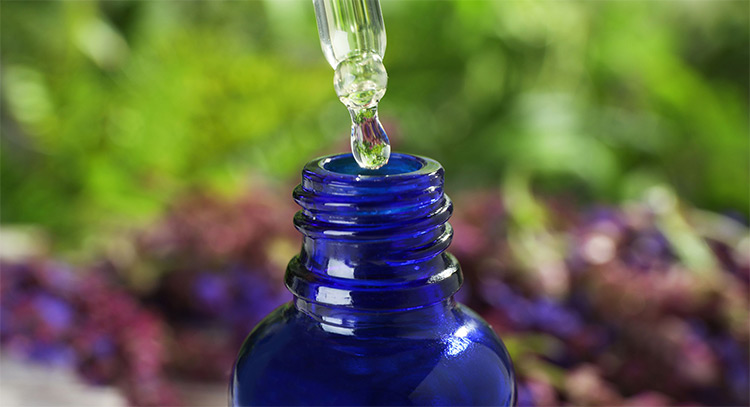
Therapeutic blending focuses upon creating a blend that will aid with a particular physical or emotional condition. Therapeutic blending concentrates more on the therapeutic result than on the aroma of the blend, but naturally it's important to create a therapeutic blend that is aromatically pleasing.
It is important to select essential oils that do not have contraindications or safety issues that can impact other aspects of your health.
When creating therapeutic blends, it is also important to consider all the therapeutic actions you are seeing and avoid oils that clash with your desired goals. For instance, let's say you are having severe period cramps and are having trouble sleeping. For this scenario, let's also say that you want to create a blend that you can use right before bedtime. Peppermint and Cypress are essential oils that can provide relief with menstrual cramps. But, Peppermint and Cypress are energizing oils. Thus, you would want to avoid these oils in a blend that you'd use right before bed.
The Essential Oil Profile area on AromaWeb lists aromatic descriptions and the uses for particular essential oils. Books such as The Illustrated Encyclopedia of Essential Oils by Julia Lawless provides much greater detail including safety information, therapeutic actions and aromatic descriptions for 165 oils. Such a resource can be quite helpful in creating your personal therapeutic blend.
Blending Tips:
- When creating a new blend, start out small with a total number of drops of either 6 or 12 drops. By starting small, you waste less oil in the event that the blend does not ultimately provide the therapeutic results that you seek.
- Start creating your blend by only using essential oils, absolutes or CO2 supercritical extracts. After you have designed the blend and are satisfied with the aroma, you should then adequately dilute it with a carrier oil if the blend is intended for topical use. If you hate the aroma of the blend you created, you have then not wasted any carrier oil.
- If you are preparing a blend that you intend to use topically, be sure that you are very mindful of the dermal maximum for each essential oil that you are working with and don't exceed that.
- Keep a notebook that lists each oil that you used and the quantity of each essential oil and carrier oil used. This way, you can reduplicate the blend if you ever need to. It's easy to forget what oils and in what ratios you used if you didn't take notes! If you are especially ambitious, it's also a wise idea to note the vendor name of the oil that you used as the therapeutic properties and quality of oils do vary between vendors (even with the same vendor, the properties of oils can vary from batch to batch, due to crop fluctuations and sourcing).
Be sure to label your blends clearly. If you don't have enough room to specify exactly what your blend is, label it with a number that corresponds to a number in your notebook.
Aromatherapy Blending Guide:
- Part 1: Introduction to Blending Essential Oils
- Part 2: Aromatic Blending of Essential Oils
- Part 3: Formulating Masculine/Earthy Aromatherapy Blends
- Part 4: Therapeutic Blending of Essential Oils (You Are On This Page Now)
- Part 5: Working With and Blending Thick Aromatic Oils
- Part 6: How to Substitute Essential Oils in Aromatherapy Recipes and Blends
- Part 7: Safely Diluted Essential Oil Blends May Seem Weak At First
- Part 8: Guide to Evaluating the Aroma of an Essential Oil
See Also: