Essential Oil Shelf Life

Pure essential oils do not go rancid and they don't really have a hardset expiration date. Over time, however, essential oils can oxidize, deteriorate and gradually lose their therapeutic value and aromatic quality.
The lifespan of essential oils can potentially vary tremendously from one botanical to the next, from one distillation to the next, and from one supplier to the next.
List of Key Factors that Can Impact the Shelf Life of Essential Oils:
- The composition of natural chemical constituents present in the essential oil
- The method of distillation
- The conditions and care used during the distillation
- The quality of the botanical used
- The care in bottling, storage and handling of the essential
oil by your supplier and any suppliers they obtained the oil from
- The storage conditions of the oil once you have received it
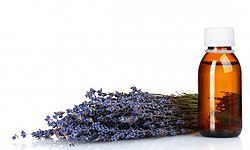
Because many of the factors that impact shelf life begin with the botanical planting/harvesting, distillation and initial handling/storage of your essential oil, it's important to shop with essential oil suppliers that you trust. Some essential oil suppliers are able to share the date of distillation for each lot of essential oil they maintain. Responsible sellers store essential oils in conditions that are far superior to what we as consumers are able to do. For instance, some sellers keep their bulk oil inventory sealed, nitrogen blanketed and refrigerated or stored in a cold room to protect the oils and dramatically reduce the risk of oxidation. Therefore, an oil that was distilled a year ago but is stored under pristine storage conditions will maintain its therapeutic integrity far better than an oil that was distilled more recently but that was not stored well or was mishandled.
Essential Oil Life Span:
How Long Do Essential Oils Last?
Guidelines from Robert Tisserand:
Aromatherapy pioneer, essential oil expert, and Essential Oil Safety author Robert Tisserand provides an easy-to-remember rule of thumb for determining the shelf life of your essential oils. He recommends storing your essential oils in the refrigerator and bases these guidelines on proper care and cold storage (halve these guidelines for oils not stored in a refrigerator):
- 1-2 Years: Citrus, Neroli, Lemongrass, Frankincense, Tea Tree, Pine and Spruce Oils
(i.e. Oils that contain monoterpenes, particularly limonene, are more prone to oxidation. The more monoterpenes an oil contains, the shorter its shelf life. Most citrus peel essential oils, except Bergamot, consist of 90% or more monoterpenes, and thus are oils that have the shortest shelf life. Other oils that generally consist of over 80% monoterpenes include Angelica Root, Cypress, Frankincense, Pine and Spruce oils.) - 2-3 Years: Most All Other Essential Oils
(i.e. Oils that contain a higher percentage of aldehydes, oxides, monoterpenols, esters, ethers, phenols or ketones.) - 4-8 Years: Sandalwood, Vetiver, Patchouli
(i.e. Oils that contain a high percentage of sesquiterpenes and/or sesquiterpenols have the longest shelf life. Although the aromatic quality of these oils may improve over time, their therapeutic quality can still diminish. Thus for therapeutic use, it may be wise to use within the lower threshold of 4 years. Other oils that contain a significant percentage of sesquiterpenes and/or sesquiterpenols include Copaiba Balsam, Gurjun Balsam and Myrrh. Some Cedarwood distillations have higher sesquiterpene concentrations.)
Source: "Lemon On The Rocks: Keep Your Essential Oils Cool" (Robert Tisserand, 2013) [Web site].
Note: Throughout the Web, I see guidelines that indicate that oils that predominantly contain esters, ethers, ketones, monoterpenols, or phenols may have shelf lives between 3-5 years. I'm not finding confirmation on original sources or clarification on determination of shelf life for each functional group. However, within the book The Chemistry of Aromatherapeutic Oils, E. Joy Bowles does include a brief "Reactivity" section for each functional group that helps provide a very general idea of how reactive and how prone each functional group is to oxidation. For example, Bowles states that "Esters are generally quite stable, particularly in essential oils where there is no water available for hydrolysis..." (page 91), "Ethers are not very reactive when exposed to heat and light..." (page 95) and "Ketones are relatively stable..." (page 86). [E. Joy Bowles, The Chemistry of Aromatherpeutic Oils (Third Edition. Australia: Allen & Unwin Academic, 2004), 86-95.]
Maximizing Shelf Life
The shelf life of essential oils can be maximized by storing them in dark glass bottles, keeping their caps tightly closed, and keeping them refrigerated or in a cool, dry location away from sunlight. As you use up the oil from a large bottle, re-bottle the oil into a smaller bottle. This reduces the "headspace," the amount of oxygen that stays in contact with the oil. See the Storing Essential Oils article for more information.
Guidelines for Telling if an Essential Oil Has Deteriorated
- The aroma has changed
- The essential oil has thickened
- The essential oil has become cloudy
Tip: Record the Date You Buy Each Essential Oil on its Cap or Label
Although you may not always know the date that an essential oil was distilled, you can still keep tabs on the age of your oils by writing down your date of purchase on the oil bottle's label. Some companies are starting to put circular labels on the tops of their bottles. For others, I purchase 1/2" round labels and place one on the top of each of my oils. On the label, I jot down the date I acquire the oil and the name of the oil. Being able to view the name of the oil from above is so much easier in finding particular oils in my essential oil apothecary.
How Long Do Essential Oils Diluted in a Carrier Oil Last?
The information in the previous sections of this article pertain to pure, undiluted essential oils. Once an essential oil has been diluted into a carrier oil, the shelf life will be contingent upon the following factors:
- The remaining shelf life of the carrier oil(s) that the essential oil was blended into
- How clean the bottle and equipment is that was used to decant and blend the essential oil and the carrier oil
- The storage conditions of the diluted essential oil
Diluted Essential Oil Shelf Life Example #1:
If you are blending an essential oil with a long remaining shelf life into a carrier oil that has 1 more year left of its shelf life, it's safetest to only expect the diluted essential oil blend to only have a 1 year shelf life. The concern lies in that carrier oils (also known as vegetable oils) can become rancid and are sensitive to microbial growth if it is exposed to water or debris. It should not be assumed that essential oils will "preserve" the carrier oil or extend its shelf life.
Diluted Essential Oil Shelf Life Example #2:
Some reputable essential oil vendors offer pre-diluted essential oils in addition to their line of pure undiluted essential oils. Pre-diluted essential oils are typically offered for the most costly of essential oils. Examples include Neroli and Rose Otto. Pre-dilution allows customers to be able to more affordably use and enjoy rare essential oils that they may not otherwise be able to afford. Reputable sellers clearly identify the ratio of essential oil that is in the dilution and the exact carrier oil that is used to dilute the essential oil. Often the carrier oil used is Jojoba or Fractionated Coconut Oil because both are very stable carrier oils with a long shelf life. With these types of pre-diluted essential oils, I would recommend asking the vendor when was the dilution created and what do they consider the remaining shelf life to be.
Shelf Life of Diluted Essential Oil Roll-Ons:
Some reputable essential oil vendors sell essential oils and blends pre-diluted in a roll-on applicator. And it's very efficient to make your own essential oil roll-ons. These are a special case.
Although the individual essential oil(s) and carrier oil(s) may have a longer shelf life, the roll-on comes into contact with your skin which allows oil and debris to get into the bottle. The dirt and debris will shorten the shelf life.
For the freshest and most sanitary product, therefore, it's best to use it up and replace it with a fresh roll-on within 3-6 months.