Aromatherapy Baths
Introduction to Aromatic Baths and Enjoying Essential Oils When Bathing
Bathing with essential oils is a wonderfully synergistic combination. The relaxing properties of hot water compliment the effects of well chosen essential oils. Aromatic baths can provide relief from stress and anxiety, assist with muscle pains, or offer a sensual introduction to a romantic evening with your partner. However, care must be taken when using essential oils at bathtime. Essential oils should never be added directly to bathwater. See the below sections for more information.
The Japanese have long known and respected the relaxing properties of hot baths. In Japan, it is customary to first wash and rinse well in a separate shower or basin and then take a long hot (extremely hot by Western standards) bath.1 It is not appropriate to actually wash in the bath.2 The water is conserved and reheated for reuse by others in the household.3 Maggie Tisserand mentions that the working Japanese individual can call from work and program the bath water to be hot and ready at the time he/she arrives home from a hard day at work.4
Even men are enjoying aromatic baths in increasing numbers. Perhaps not an ideal example, but I have enjoyed watching the U.S. television sitcom called Frasier on occasion. If I recall correctly, Frasier, a male psychiatrist, took a long bath with Jasmine and Vanilla in one episode. Although the sitcom's writers most likely wanted to create humor by having Frasier take an aromatic bath, it truly reflects the benefits that baths can offer to both genders. There is nothing effeminate about a man enjoying an aromatic bath.
Adding Essential Oils and Bath Oils to the Bath
Do not add essential oils directly to bathwater.
Using essential oils in the bath can be so soothing and beneficial to our emotional and physical wellbeing, but great care must be taken when using essential oils at bathtime. Essential oils do not stay mixed with water, and they can pool in spots touching the skin at full strength, causing the potential for severe irritation. Using a solubilizer such as Polysorbate 20 or Solubol is strongly recommended. (For the solubilizer that you choose, follow the usage guidelines provided by your vendor.) Add this blend to your running bath water and mix very well before getting into the tub. Be sure to read the safety data for the essential oils you choose to use. Essential oils that are at higher risk of causing irritation and sensitization should be avoided in the bath, even if you solubilize them.
The Aromatherapy Recipes area contains a recipe blend that you can use to customize your own bath oils. It also contains a recipe for creating your own bath salts.
For a sensuous bath, consider any of these essential oils:
For a relaxing bath, consider these essential oils:
Again, be sure to follow the safety precautions for the oils you use. Avoid oils that can cause sensitization. Oils that you should avoid in the bath include but are not limited to basil, oregano, thyme, nutmeg, cinnamon, clove, black pepper, and bay (Pimenta and Laurus).
Aromatherapy Bath Salts
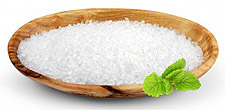
Bath salts are typically comprised of sea salt or rock crystal salt. These naturally occurring salts contain an array of minerals in addition to sodium. When used in the bath, salts can help rid the body of toxins, improve circulation, ease muscular aches and are also said to help those suffering from eczema or psoriasis.
Most salts are available in several grain sizes. Combining different salt types and grain sizes can lead to a multitude of beautiful and healthful combinations.
Fragrancing bath salts with essential oils (be sure to use a solubilizer!) is easy and lets you combine the therapeutic and aromatic benefits of the chosen essential oils with the benefits of the salts.
A disadvantage to fragrancing bath salts with essential oils is that the aroma of the salts can significantly diminish by the time the salts are used in the bath. Ideally, bath salts should be added under running water so that the salts can dissolve before getting into the tub. It can be a bit uncomfortable to rest in the tub upon coarse grains of salt. When adding bath salts under running water, however, the aroma can dissipate rather quickly.
Some individuals color their bath salts with liquid dyes or colorful micas. Rock crystal salts like Himalayan Salt is naturally pink or pinkish-red in color.
The Recipe Box contains a recipe blend that you can use for inspiration in making your own bath salts.
Do not simply add essential oils to bath salts as the essential oil will separate from the salt once added to bathwater, causing a risk of irritation and sensitization.
Aromatherapy Bath Bombs
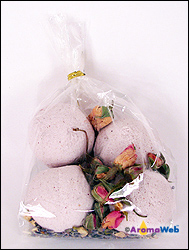
A few years ago, I discovered the fun of making and using bath bombs fragranced with essential oils. They make eye-catching gifts and are a favorite of children and teens. When dropped into the tub, a bath "bomb" begins to fizz, almost like a soft drink. As it fizzes, it fragrances the room. Depending on the size of the bath bomb, they fizz for 5-10 minutes or so. They're not especially therapeutic (not like natural salts, for instance) and I tend to only use them once in awhile, but they're a fun and aromatic way to enjoy bathtime. View AromaWeb's Aromatherapy Bath Bomb Recipe.
My Personal Routine at Bathtime
I love adding natural salts, especially Dead Sea salt, to my bathwater. When I first discovered how easy it is to make beautiful and fragrant bath salts, I made them all the time. But nowadays, instead of adding solubilized essential oils or colorants directly to my salts, I tend to keep things simple and just add the pure salts to my bathwater. As I bathe, I enjoy using a candle diffuser with whatever essential oils I desire to use at the time. The aroma lasts longer than if I had fragranced the salts themselves, and I can more easily decide right before bathtime what essential oil or blend of oils I'd like to diffuse during my bath based upon my current needs.
To learn more about aromatic baths, view the book description for The Healing Aromatherapy Bath by Margo Valentine Lazzara.
Footnotes
1"Japanese
Baths" (Schauwecker's Guide to Japan, 1999) [Web
site].
2Ibid.
3Ibid.
4[Maggie Tisserand, Essence
of Love (San Francisco: Harper Collins, 1993), 83.