What are Hydrosols?
Hydrosols are sometimes referred to as hydrolats, distillate waters or floral waters.
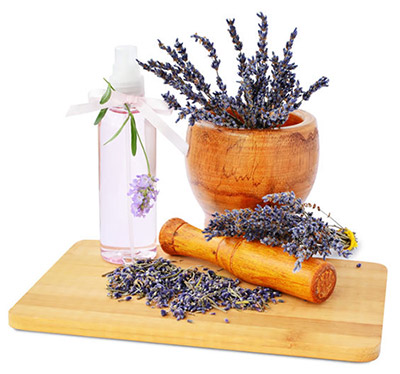
Explained as simply as possible, a hydrosol is the aromatic water that remains after steam-distilling or hydro-distilling botanical material such as lavender.
Suzanne Catty, author of Hydrosols: The Next Aromatherapy proposes the following definition: "Hydrosols are the condensate water co-produced during the steam- or hydro-distillation of plant material for aromatherapeutic purposes." [Suzanne Catty, Hydrosols: The Next Aromatherapy (Rochester, VT: Healing Arts Press, 2001), 10.]
Expert hydrosol distillers, including Ann Harman, author of Harvest to Hydrosol, specifically distill plants for the resulting hydrosol that they produce. This can result in hydrosols with superior aroma and therapeutic benefit. Most hydrosols, however, are produced simply as a result of essential oil distillation.
The plant matter used in the distillation process imparts the hydrosol with the water-soluble aromatic and therapeutic properties of the plant.
Unlike essential oils that should be diluted prior to application to the skin, hydrosols are much gentler than their essential oil counterparts and can generally be used directly on the skin without further dilution.
Hydrosols can be used in place of water in creating natural fragrances, lotions, creams, facial toners and other skin care products. They can also be added to the bath, and used on their own as a light cologne or body spray. Hydrosol can be added to finger bowls for elegant, romantic dinners. Examples of botanicals that are available as hydrosols are Rose, Roman Chamomile, Neroli and Lavender. View the Hydrosol Uses article to view details and a helpful list of all the ways that you can use hydrosols.
Hydrosols are available through some, but not all sellers or essential oil and natural skin care ingredients. AromaWeb's Aromatherapy Business Directory provides a wonderful categorical directory of artisans and companies that sell Hydrosols and other aromatherapy products.
Beware of the Term "Floral Waters"
Sometimes water simply blended with essential oils are sold as floral waters or improperly classified as hydrosols. It is always wise to ask vendors for details about the hydrosols that they sell to ensure that what you are purchasing is a true hydrosol as defined here.
Helpful Sources of Information About Hydrosols:
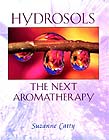
Hydrosols: The Next Aromatherapy
Author: Suzanne Catty
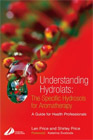
Understanding Hydrolats: The Specific Hydrosols for Aromatherapy
Authors: Len Price and Shirley Price
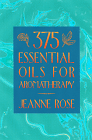
375 Essential Oils and Hydrosols
Author: Jeanne Rose
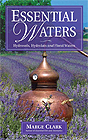
Essential Waters: Hydrosols, Hydrolats & Aromatic Waters
Author: Marge Clark
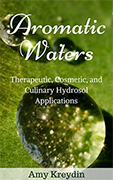
Aromatic Waters: Therapeutic, Cosmetic, and Culinary Hydrosol Applications
Author: Amy Kreydin