What are Resins?
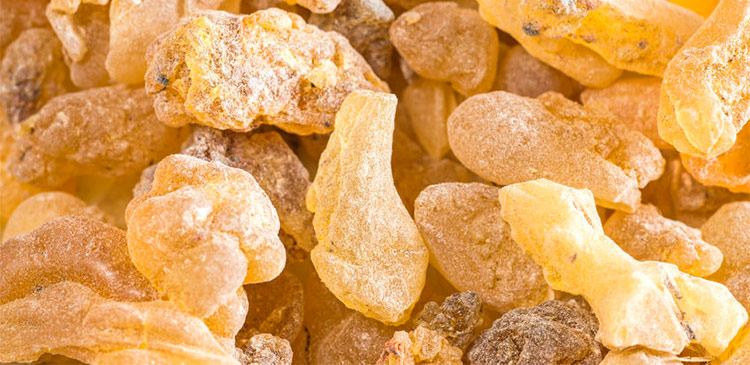
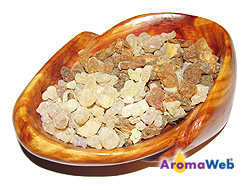
Shown to the left are frankincense tears (light color) and myrrh resin (dark) in a bowl hand carved from juniper.
When some plants, namely trees, are injured, they produce a thick, sometimes solid, sticky substance called a resin. Frankincense, Myrrh and Benzoin are examples of resins that are used in the production of essential oils, CO2 supercritical extracts, hydrosols and infused oils.
In the commercial production of some resins, the trees will be cut in many spots to encourage the tree to produce its resin.
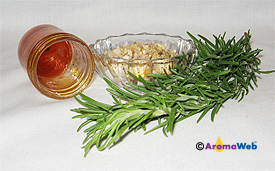
Natural resins provide therapeutic benefit, but some are hard to work with in aromatherapy. Benzoin resin, for instance is extremely thick and sticky. You will find liquid resins that have been extracted by solvent or alcohol extraction.
Frankincense tears are small, solid chunks of frankincense resin. Both Frankincense and Myrrh resins are solid and are not traditionally used within holistic aromatherapy in their resinous forms. The resins are most commonly used for loose incense. Resins can be powdered for incorporation into infused oils, incense powders and for medicinal use.
Frankincense, Myrrh and Elemi Essential Oils are distilled from the resin for use in holistic aromatherapy, spiritual, room fragrancing and perfumery applications. To learn more about these essential oils, click on the following links to go to the essential oil profile pages for each of these oils:
Sustainability and Conservation of Resin Producing Trees and Shrubs
Due to the surge in demand for Frankincense Resin and especially for Frankincense Essential Oil, many more trees are being intentionally depleated in order to produce more resin for the production of the essential oil. Frankincense (Boswellia sacra) is near threatened and Elemi is designated as vulnerable according to the IUCN Red List. It is important for us all to be mindful of where we source resins and essential oils derived from resins, even for those not yet listed as being at risk. For more information on the sustainability of essential oil bearing plants and trees, please refer to AromaWeb's Guide to Essential Oils and Sustainability.
For More Information about Resins
For more information about resins and the infused oils, essential oils and hydrosols that are derived from resins, visit the Facebook group Frankincense Resin//And All Tree Resins.